8-Week Beginner Strength Training Plan: From Bodyweight To Weights
April 2, 2026
0
A well-structured beginners fitness routine provides clarity, consistency, and measurable progress. Many beginners start exercising without a clear plan; however, this often leads to confusion and inconsistent results.
A well-structured beginners fitness routine provides clarity, consistency, and measurable progress. Many beginners start exercising without a clear plan; however, this often leads to confusion and inconsistent results. Therefore, following a structured timeline is essential for building strength safely.
This 8-week plan gradually moves from bodyweight exercises to resistance training. As a result, it allows the body to adapt step by step while reducing the risk of injury.
How This Beginners Fitness Routine Works
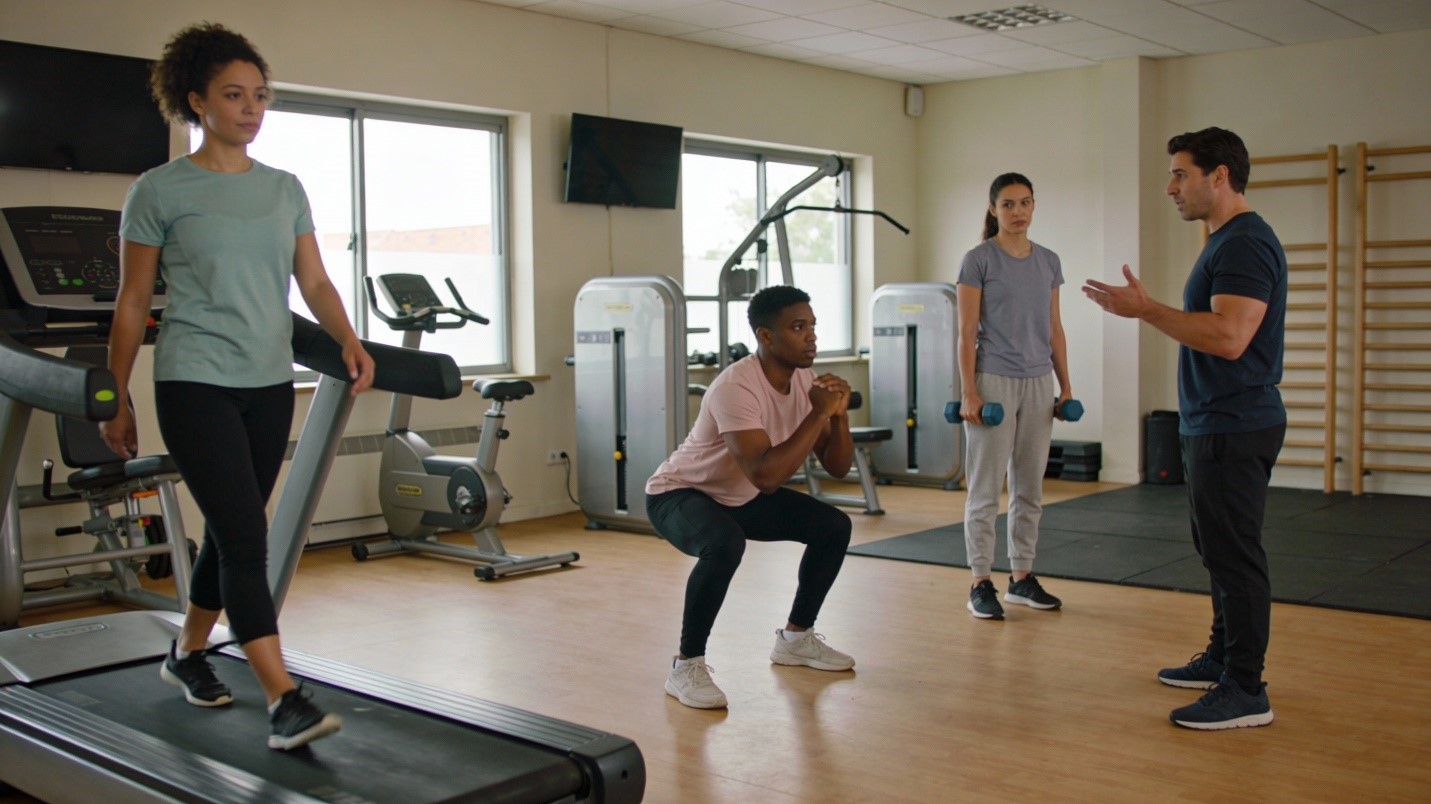
This beginners fitness routine follows a simple and effective structure. First, it focuses on learning movement patterns. Then, it gradually increases training volume and intensity.
Key structure:
3 training days per week
Full-body workouts
Progressive increase in difficulty
Because consistency is important, the plan keeps exercises simple and repeatable.
Weekly Progression Overview
Week
Focus
Key Change
1
Technique
Light repetitions
2
Control
Improve form
3
Volume
Add sets
4
Stability
Introduce lunges
5
Resistance
Add light weights
6
Adaptation
Improve control
7
Strength
Increase load
8
Confidence
Combine progress
This table provides a clear roadmap. Moreover, it helps beginners stay focused on gradual improvement instead of rushing progress.
Phase 1 (Weeks 1–2): Build Movement Foundation
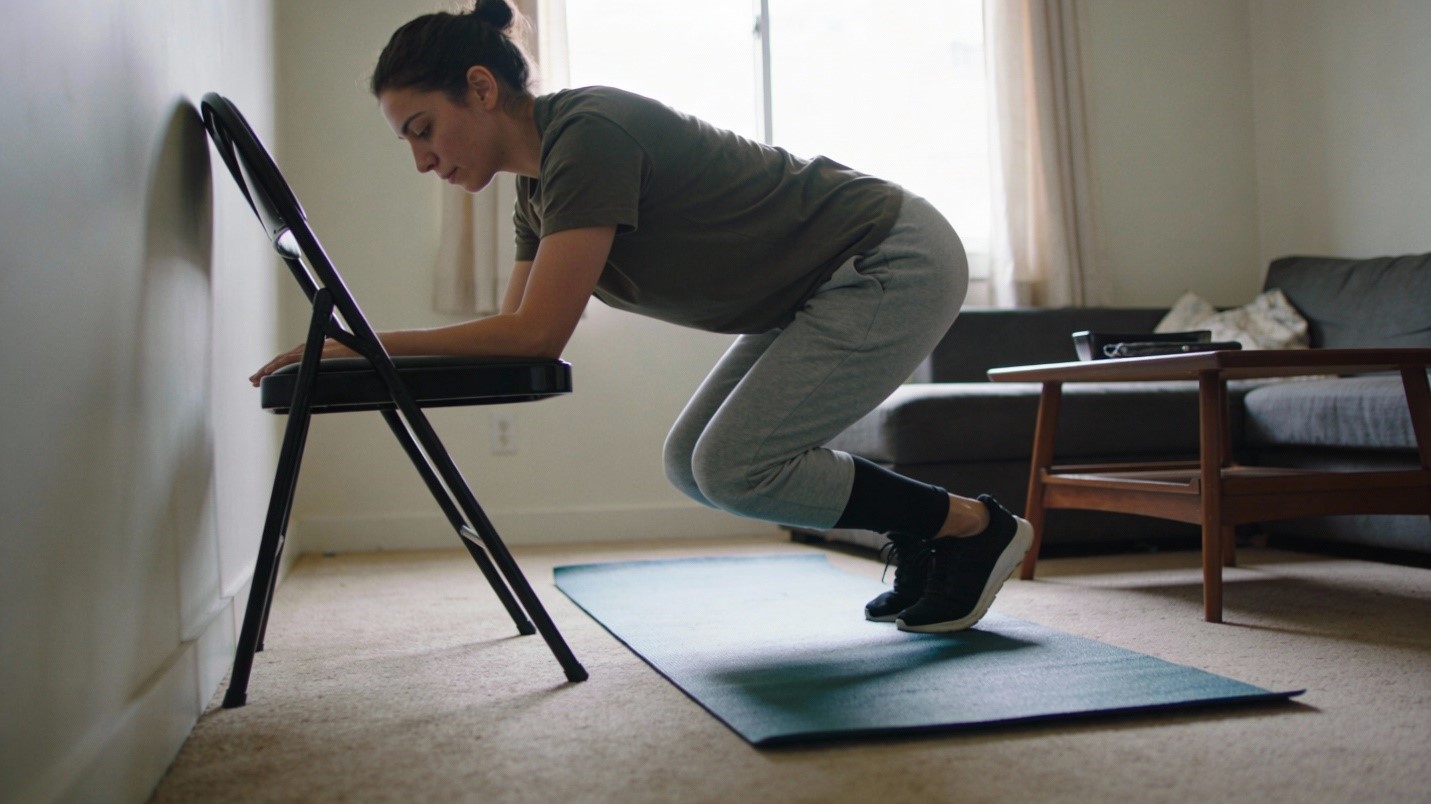
During this phase, the goal is to learn proper technique. Therefore, exercises remain simple and controlled.
Exercises
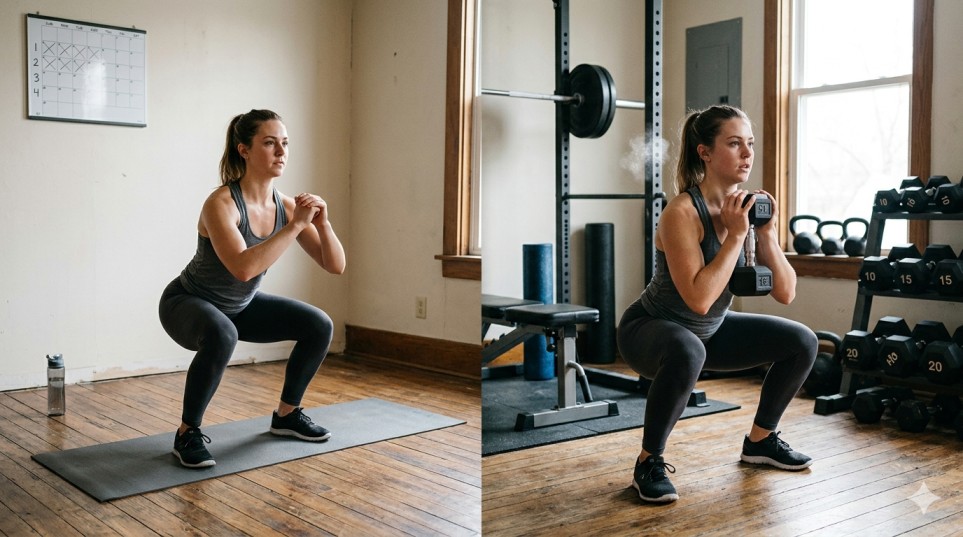
Squats – 2×10
Incline push-ups – 2×8
Glute bridges – 2×10
Plank – 2×15 seconds
At this stage, intensity should feel manageable. In fact, it should not feel exhausting. This allows the body to adapt efficiently.
Phase 2 (Weeks 3–4): Increase Volume and Stability
Once the basics are established, the next step is increasing volume. As a result, the body starts building endurance and control.
Exercises
Squats – 3×10
Push-ups – 3×8
Lunges – 2×8 per leg
Plank – 20 seconds
Additionally, lunges improve balance and coordination. Therefore, they prepare the body for more advanced movements later.
Phase 3 (Weeks 5–6): Introduce Resistance Training
At this point, the plan transitions into a beginner fitness workout routine using light weights. This step is important because it introduces external resistance safely.
Exercises
Goblet squats – 3×8
Dumbbell press – 3×8
Dumbbell rows – 3×8
Deadlifts – 2×6
For proper technique, beginners should practice see this blog as beginner workout routine. This helps improve posture and pulling strength.
Moreover, using light weights ensures correct form before increasing intensity.
Phase 4 (Weeks 7–8): Build Strength and Confidence
Finally, the last phase focuses on increasing strength. At this stage, the body is ready for more resistance.
Exercises
Squats – 3×10
Dumbbell press – 3×10
Deadlifts – 3×6
Plank – 30 seconds
Now, small weight increases can be applied. However, proper form should always remain the priority.
Training Guidelines for Best Results
To maximize this beginner exercise routine, follow these guidelines consistently.
Maintain Proper Form
Correct technique prevents injuries. Therefore, never sacrifice form for heavier weight.
Progress Gradually
Increase repetitions or weight slowly. In contrast, sudden increases can lead to fatigue or injury.
Stay Consistent
Consistency is more important than intensity. For example, training three times per week is more effective than irregular workouts.
Rest Between Sessions
Rest days allow muscles to recover. As a result, performance improves in the next session.
How Hard Should Each Workout Feel?
Understanding intensity is important for beginners.
Easy: Increase repetitions slightly
Moderate: Maintain current level
Hard: Reduce weight or reps
Ideally, most workouts should feel moderate. This ensures steady progress without excessive fatigue.
Nutrition and Recovery Basics
Nutrition plays a key role in strength development. Without proper fuel, progress slows down.
Focus on:
Protein intake (eggs, chicken, legumes)
Hydration
Balanced meals
According to NSCA guidelines, protein supports muscle repair and growth. Therefore, adequate intake is essential.
Additionally, aim for 7–8 hours of sleep per night. Sleep improves recovery and performance.
Common Mistakes Beginners Should Avoid
Many beginners slow their progress by making avoidable mistakes.
Skipping warm-ups
Training too intensely early
Changing routines frequently
Ignoring rest days
Instead, follow a structured approach. For example, learning the fundamentals through bodyweight fitness routine can improve long-term results.
Expected Results After 8 Weeks
After completing this beginners fitness routine, most individuals notice:
Improved strength
Better endurance
Increased muscle tone
Enhanced movement control
Results depend on consistency. However, gradual progress is expected.
The Modern Approach to Beginner Training (2026)
Fitness training has become more flexible. Many beginners now train at home using:
Adjustable dumbbells
Resistance bands
Compact equipment
Additionally, wearable devices help track performance and recovery. However, structure remains the most important factor.
Practical Tips for Long-Term Success
To maintain progress after this plan:
Continue applying progressive overload
Track workouts regularly
Maintain consistent training days
Focus on long-term improvement
These habits support sustainable results.
Final Thoughts
A structured beginners fitness routine provides a clear path from bodyweight training to resistance exercises. This 8-week plan ensures gradual progression, which is essential for safe and effective strength development.
Therefore, by focusing on consistency, proper form, and gradual increases, beginners can build a strong foundation for long-term fitness.