Beginner Fitness Routine For Home: Start Getting Active In 20 Minutes A Day
February 3, 2026
0
Getting active at home sounds easy. No gym. No commute. No pressure. Yet many beginners still struggle to stay consistent. The reason usually has nothing to do with
Getting active at home sounds easy. No gym. No commute. No pressure.
Yet many beginners still struggle to stay consistent. The reason usually has nothing to do with effort. It comes from routines that feel bigger than daily life can handle.
A beginner fitness routine for home should feel light enough to start and steady enough to repeat. Twenty minutes a day creates that balance. It leaves space for progress without turning fitness into a burden. This guide will explain how home fitness works for beginners, what to focus on, and how to move daily without feeling overwhelmed.
The Real Advantage of Home Fitness
Home workouts remove friction. That matters more than intensity.
At home:
There is no setup stress
There is no waiting or comparison
There is no need for perfect timing
This makes home an ideal starting place for anyone new to fitness. A fitness routine for beginners at home works best when movement feels accessible and familiar.
Twenty minutes may sound small, but it fits real schedules. That is why it works.
Short sessions:
Reduce hesitation
Lower mental resistance
Feel easier to repeat daily
For beginners, progress comes from showing up often, not pushing hard. A daily fitness routine for beginners built around short sessions supports habit-building without exhaustion.
Movement that fits into life lasts longer.
What a Beginner Should Focus On First
Before exercises or reps, beginners benefit from clarity.
Early focus should stay on:
Learning basic movement patterns
Feeling comfortable with motion
Building awareness of posture and balance
Strength develops naturally when movement becomes familiar. Confidence follows shortly after. Avoid chasing complex routines early. Simplicity supports growth.
The Building Blocks of a Home Routine
Instead of thinking in terms of workouts, think in terms of movement categories. These form the base of a beginner fitness routine for home.
Everyday movement patterns
Sitting down and standing up
Reaching and pushing
Lifting light bodyweight
Twisting and balancing
These movements support daily tasks and reduce stiffness. Repeating them daily improves coordination and joint comfort.
How a 20-Minute Session Can Feel
A home session does not need a strict structure. It needs flow.
A balanced session usually includes:
Gentle movement to wake up the body
A short period of active effort
Time to slow down and recover
There is no rush. Breathing stays steady. Movements remain controlled.
The goal is to finish feeling better than when you started.
A Simple Daily Home Movement Flow
Rather than a fixed routine, use a flexible movement flow. This keeps things interesting while staying beginner-friendly.
Try this approach:
Start Slow
March in place
Roll shoulders
Rotate hips gently
Move with Intention
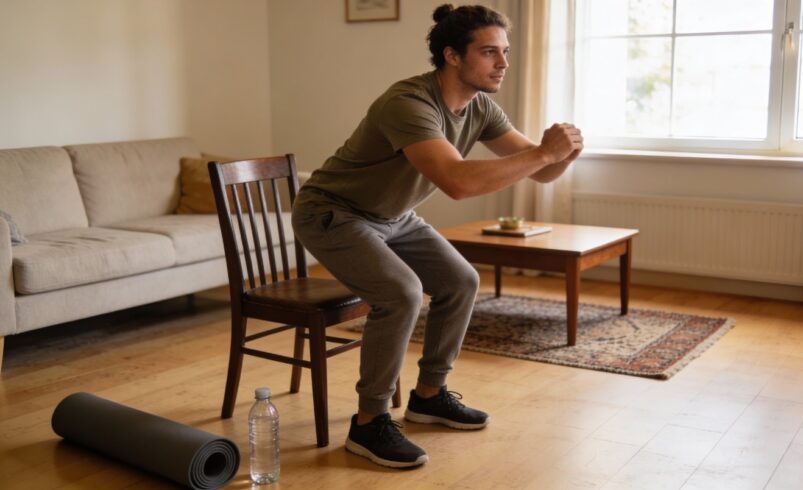
Sit-to-stand movements
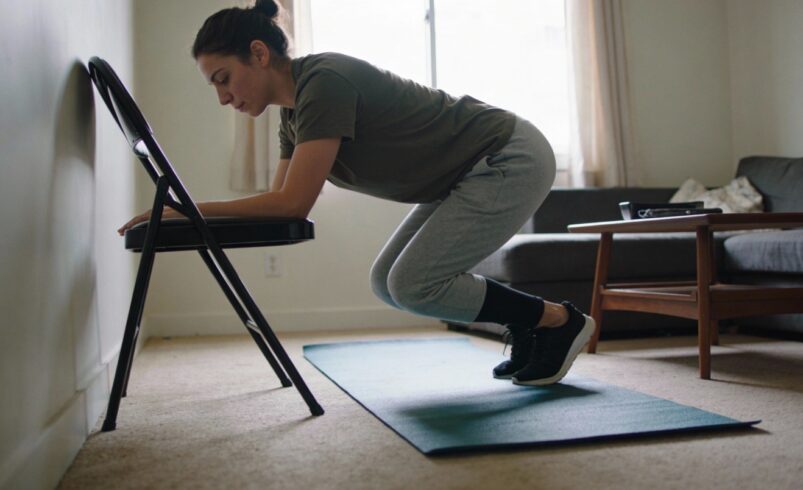
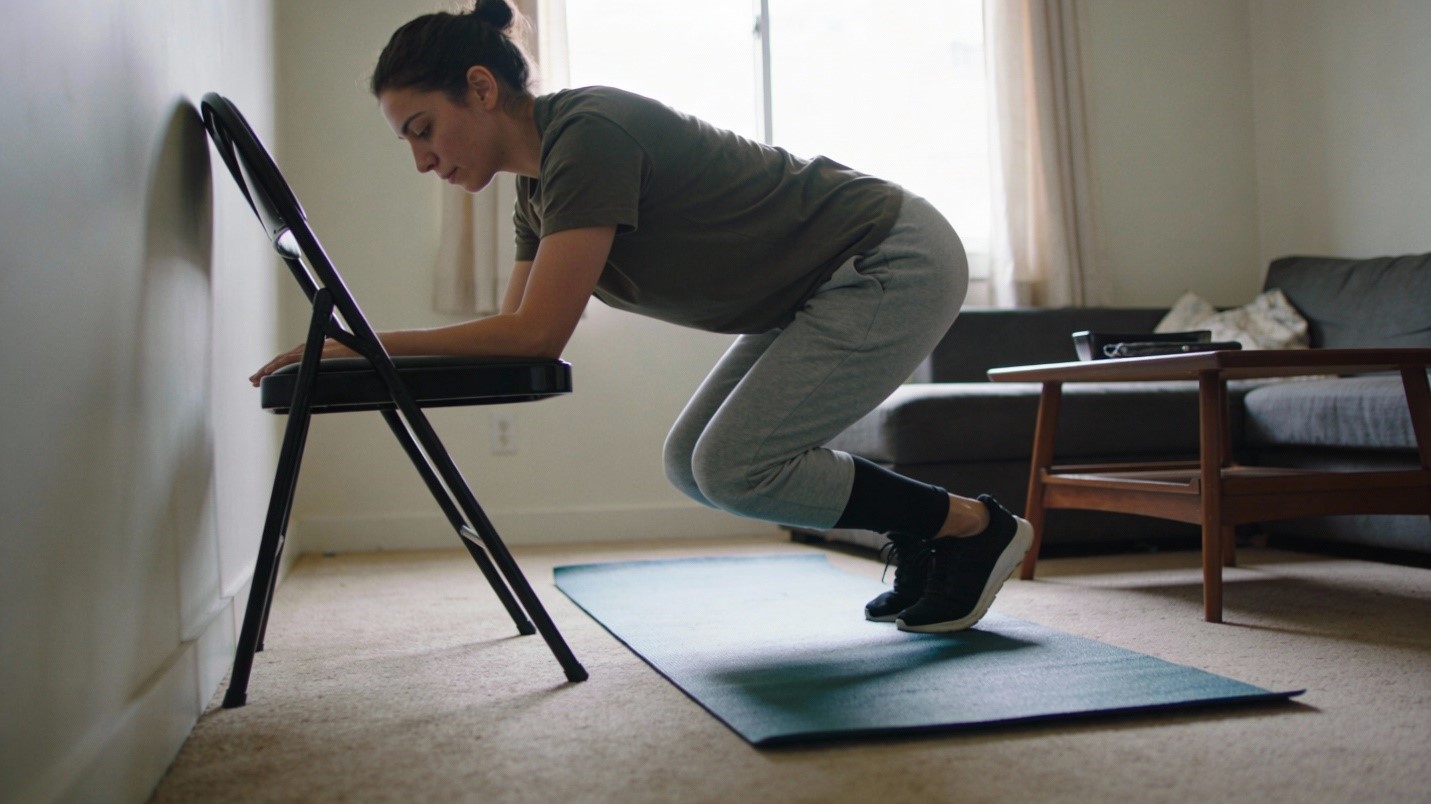
Wall push-ups
Standing leg lifts
Light torso rotations
Wind Down
Stretch arms and legs
Focus on breathing
Relax the body
This style suits a daily fitness routine for beginners because it adapts easily to energy levels.
How Often to Move at Home
Daily movement supports habit formation, but intensity should remain light.
A realistic weekly rhythm:
Most days: short, gentle sessions
Some days: lighter stretching or walking
Rest days: complete rest when needed
Listening to the body prevents burnout. Progress does not require pushing every day.
Progress Without Pressure
Progress often shows up quietly.
Early signs include:
Better balance
Easier movement
Less stiffness
Improved posture
Visible changes come later. That is normal.
For beginners, progress means feeling more capable, not exhausted. Small improvements build trust in the routine.
Adjusting on Low-Energy Days
Some days feel heavier than others. That does not mean skipping movement entirely.
Low-energy adjustments:
Shorten the session
Reduce repetitions
Focus on stretching and breathing
Even five minutes counts. Maintaining the habit matters more than intensity.
This flexibility keeps a fitness routine for beginners at home sustainable.
Common Home Fitness Mistakes Beginners Make
Many beginners stop due to avoidable issues.
Watch out for:
Trying to copy advanced routines
Skipping warm-up movement
Expecting fast physical changes
Treating rest days as failure
Home fitness works best when expectations stay realistic.
Staying Consistent Without Motivation
Motivation changes daily. Routines survive without relying on it.
Helpful strategies:
Choose a regular time window
Keep workouts short
Remove decision-making
When movement becomes automatic, motivation matters less. Consistency becomes easier.
Making Fitness Part of Daily Life
Home fitness blends best with daily habits.
Simple Integrations:
Stretching after waking up
Light movement during breaks
Gentle activity before evening rest
When fitness fits around daily life, it stops feeling separate.
That is when it sticks.
Why This Approach Works Long-Term
This beginner fitness routine for home** avoids extremes. It focuses on:
Simplicity
Repeatability
Comfort
Small daily effort
These elements support beginners better than complex programs. Fitness grows gradually when routines respect real life.
Final Thought
Starting fitness at home does not require equipment, long workouts, or perfect discipline. It requires a routine that feels doable today and repeatable tomorrow.
A daily fitness routine for beginners built around 20 minutes a day lowers resistance and builds momentum. Small steps, taken often, lead to lasting change.
Movement does not need to be intense to be effective. It needs to be consistent.