Morning Fitness Routine For Beginners: Start Your Day With Movement
- April 16, 2026
- 0
Most people who say they can’t stick to working out have one thing in common. They leave exercise for later in the day. And then later doesn’t happen.
Most people who say they can’t stick to working out have one thing in common. They leave exercise for later in the day. And then later doesn’t happen.

Most people who say they can’t stick to working out have one thing in common. They leave exercise for later in the day. And then later doesn’t happen.
Morning workouts flip that equation. When you move first, you’ve already won before the emails pile up, before decision fatigue sets in, before the couch starts looking appealing. For beginners especially, locking a routine into the morning creates a consistency that’s genuinely hard to match at any other time of day.
That said, becoming a morning exerciser doesn’t mean setting an alarm for 5 AM and grinding through an hour-long session before sunrise. It means building something manageable. Movement that wakes your body up, fits your actual life, and gives you a reason to come back the next morning.
This guide lays out exactly how to build a morning fitness routine for beginners from scratch: what to do, how long to do it, and how to make the habit stick without burning out in week two.
Later almost always gets canceled. Morning workouts happen before the day has a chance to intervene. You’re making one decision early, when your willpower is freshest, rather than fighting the urge to skip all evening.
Research on habit formation consistently shows that environmental cues like waking up at a set time in the same space make behaviors more automatic. A morning fitness routine leverages these cues naturally, which is exactly what beginners need when building from scratch.
Even a 20-minute session triggers endorphin release, improves circulation, and can sharpen mental focus for several hours after. Many beginners who switch to morning workouts report feeling noticeably better on the days they exercise before anything else.

You don’t need an hour. Neither do you need equipment. In fact, you need a structure you can follow without overthinking it.
Going from zero to 60-minute morning sessions is a recipe for quitting by week two. Twenty to thirty minutes is genuinely enough to warm up, do meaningful movement, and cool down, especially when you’re starting. The goal is to build the habit first and increase the duration gradually.
A basic framework that works well for beginners:
Every day isn’t necessary, and for beginners, it’s often counterproductive. Three or four mornings per week give your body time to recover and reduce the mental resistance that comes with committing to daily workouts. Gaps between sessions aren’t failures, however they’re part of the plan.

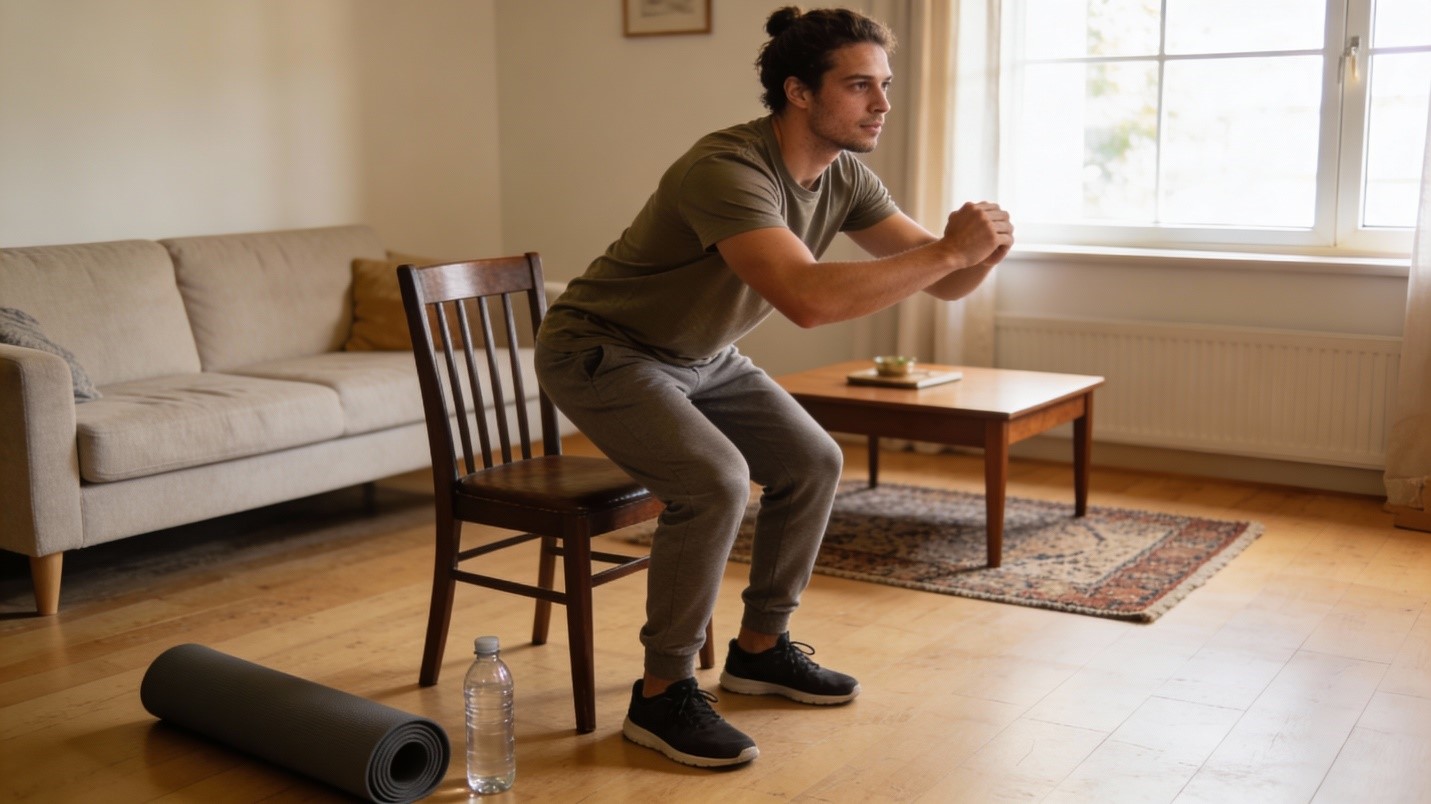
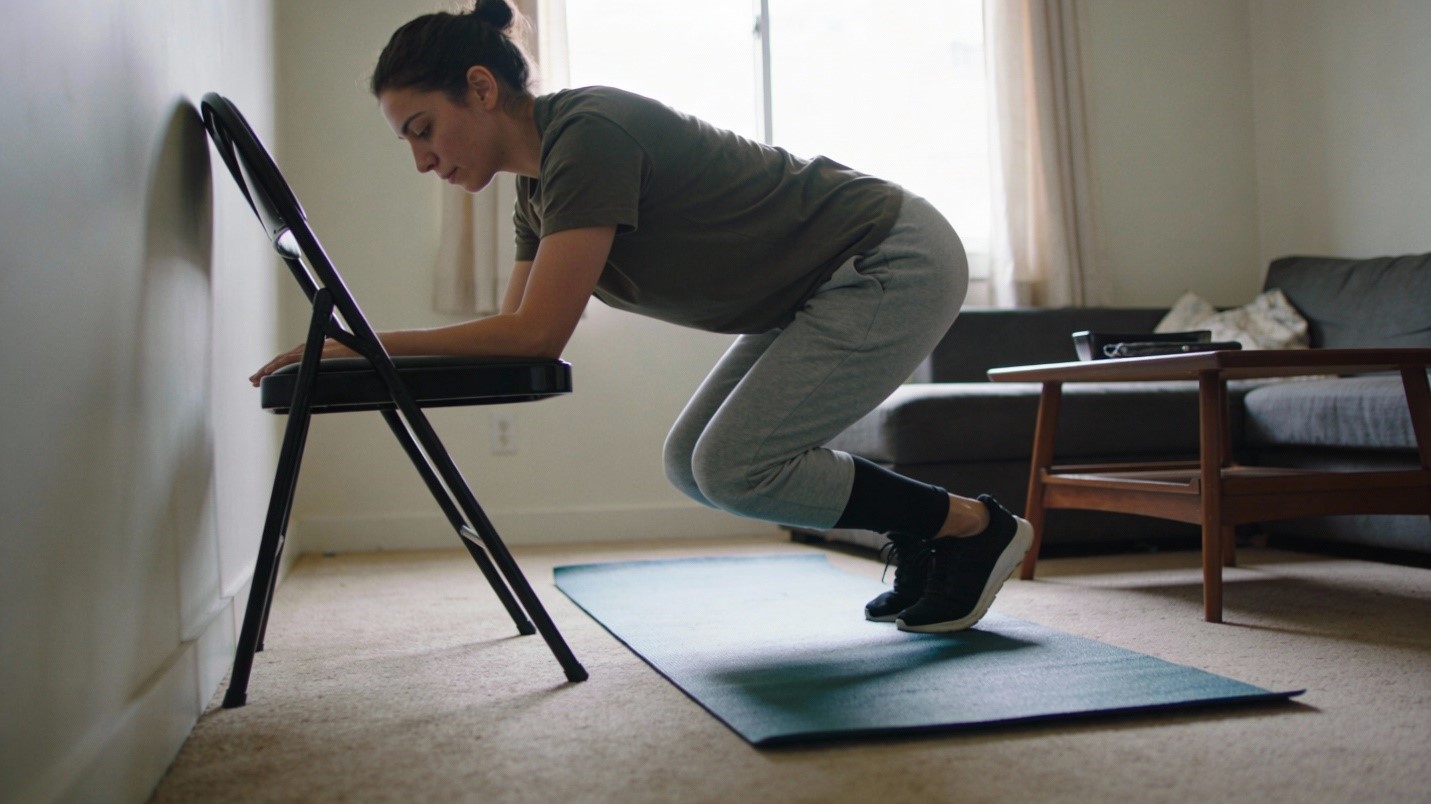
Here’s a practical, progressive morning routine you can follow without any equipment. It builds gently over four weeks so your body adapts without becoming overwhelmed.
Focus: Get comfortable moving first thing in the morning.
Warm-Up (5 min):
Main Circuit (12 min) — 40 seconds work, 20 seconds rest:
Repeat the circuit twice.
Cooldown (3 min):
Focus: Add reps, reduce rest, include one harder variation per exercise.
Main Circuit (18 min) — 45 seconds work, 15 seconds rest:
Repeat three times.
If you want to go deeper on this kind of no-equipment progression, understanding how bodyweight training builds a foundation for any fitness goal, is the logical next step before adding any complexity.

This is where most morning routine guides fall short because they assume willpower alone will drag you out of bed. Here’s what actually helps.
Set out your workout clothes before bed. Put your water bottle on the counter. Decide exactly what workout you’re doing. Remove every possible friction point, because morning willpower is limited and the fewer decisions you have to make, the better.
If you’re struggling to find motivation, commit to just 10 minutes. Ten minutes of movement is infinitely better than zero. You’ll almost always continue once you’ve started, but even if you don’t, 10 minutes done consistently beats a perfect plan that gets skipped.
This is called habit stacking; you attach a new behavior to something you already do automatically. For example: ‘After I make coffee, I do my warm-up.’ Linking new habits to existing cues dramatically increases the odds that the new behavior actually sticks. It works because you’re not relying on remembering to do something, it gets triggered by what you already do.
If you hate running, don’t schedule morning runs. If jumping jacks feel awful at 6 AM, choose something quieter. A routine built around exercises you find tolerable or even mildly enjoyable will outlast a ‘perfect’ program you dread every single day. For anyone in an apartment or shared space, a low-impact, quiet home workout is a far more sustainable option for early mornings.
Cold muscles and high-intensity effort is a setup for injury. Your joints and muscles need time to prepare for load, especially early in the morning when core body temperature is lower. Even five minutes of gentle warm-up makes a real difference in how your body responds to training stress.
You don’t need to eat before a 20-30 minute beginner workout. If you feel lightheaded working on an empty stomach, try a small snack, half a banana, a few crackers, about 20 minutes before. A full meal will likely leave you uncomfortable and sluggish.
Finishing the last rep and immediately jumping into the shower is tempting. But consistently skipping the cooldown leads to soreness, stiffness, and reduced flexibility over time. Even five minutes of post-workout stretching makes a noticeable difference by the next morning.
Social media will show you people completing 5 AM HIIT sessions before most of the world is awake. That’s irrelevant. Your morning routine only needs to work for you, not look impressive to anyone else.
Beginners often underestimate how useful simple tracking is. You don’t need an app or a spreadsheet. A small notebook or even a note in your phone is enough. After each session, write:
Over time, this creates real feedback. You’ll notice which days feel harder, which exercises you’ve outgrown, and when it’s time to push further. When the basics start feeling comfortable, understanding progressive overload principles will tell you exactly how to keep challenging your body without plateau.
Not everything will go right every day. A missed workout doesn’t mean a failed routine — it means a normal week. The most common reasons beginners abandon morning routines:
If mornings feel like a battle every single day, reflect on whether the schedule is the problem or the exercises are. Sometimes shifting the workout from 5:30 AM to 7 AM — just 90 minutes later — makes all the difference.

Here’s what most beginners don’t see at the start that a morning fitness routine compounds. After a few weeks, your body adapts. The exercises feel easier. Getting out of bed becomes less of a fight. Eventually, missing a morning workout feels genuinely strange, not because you’re forcing it, but because the movement has become part of how your day begins.
That kind of internalized routine is worth far more than any single workout session.
Starting a morning fitness routine as a beginner isn’t about perfection — it’s about small, repeatable actions that add up over weeks and months. Wake up, move for 20-30 minutes, then go live your day. That’s the entire formula.
The exercises above give you a starting point that progresses deliberately over four weeks. The habit-building advice handles the days when motivation doesn’t show up on its own. Put both together, and you have something genuinely sustainable, not another routine you’ll abandon by February.
Start tomorrow morning, not next Monday, not next month. Set out your workout clothes tonight and see what happens.