Static vs Dynamic Stretching for Beginners (What to Do and When)
- August 26, 2026
- 0
A hamstring stretch held for thirty seconds before a run and a set of leg swings before that same run are not interchangeable. They ask the muscle to
A hamstring stretch held for thirty seconds before a run and a set of leg swings before that same run are not interchangeable. They ask the muscle to

A hamstring stretch held for thirty seconds before a run and a set of leg swings before that same run are not interchangeable. They ask the muscle to do almost opposite things, and doing the wrong one at the wrong moment is one of the quieter ways beginners undercut a workout before it even starts.
Static stretching means holding a muscle in a lengthened position without moving, usually somewhere between ten and thirty seconds. Dynamic stretching means moving a joint through its range again and again, letting the motion itself open things up instead of a held position. Both have a place in a routine. Neither belongs everywhere.
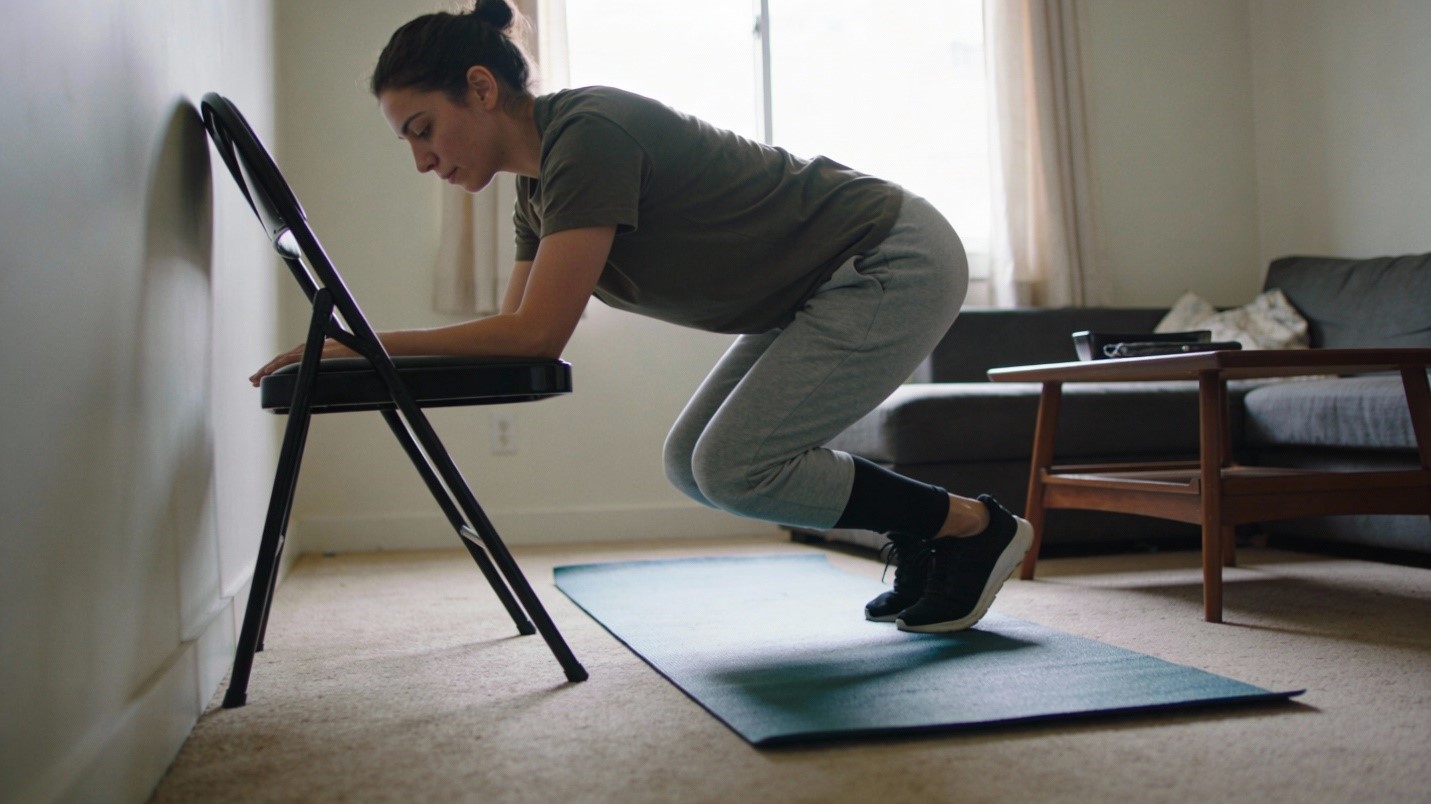
Reaching for your toes and staying there, or pulling a knee toward your chest and not letting go, is the version of stretching most people picture. Under that steady, low load, a muscle lengthens gradually, and given time, that produces a real and measurable change in flexibility and how far a joint can move.

The American College of Sports Medicine’s prescription guidancecalls for a total of about sixty seconds spent on each muscle group, done across two or more sessions a week, split into holds of roughly ten to thirty seconds apiece. Older adults tend to do better with the longer end of that range, closer to thirty or even sixty seconds per hold, but most adults get the benefit from the shorter version.
One thing static stretching does not reliably deliver is protection from next-day soreness. Researchers behind a widely referenced Cochrane review of stretching and post-exercise soreness looked at stretching before training, after training, and both, and came up with no meaningful drop in delayed-onset muscle soreness, the deep ache that shows up a day or two later. If soreness is the actual worry, stretching isn’t where the leverage sits. There’s more useful ground covered on what soreness actually means for muscle growth elsewhere on this site.
Dynamic stretching resembles a scaled-down version of the workout itself more than it resembles stretching. Think leg swings, walking lunges with a twist, arm circles, hip openers. Nothing gets held. The joint moves through its full range over and over, and each pass tends to travel a little further than the last as the tissue warms and the nervous system tunes into the pattern.
That closeness to the actual workout is part of why it fits so naturally at the front of a session. Muscle temperature climbs, joints get taken through the ranges the session is about to demand, and the motor units due to fire in the working sets get switched on early, all without the muscle spending any time sitting passively in a held stretch.
This is the piece where the two methods genuinely pull apart, and where a decent stack of research points toward a fairly consistent answer.

A 2023 net meta-analysis on lower-body explosive performance found that static stretching beforehand actually reduced explosive output, while dynamic stretching improved it, with a dynamic warm-up somewhere around seven to ten minutes producing the biggest gains. A 2024 systematic review of jump height and range of motion turned up something similar. Static stretching led to a small, statistically unremarkable drop in jump height. Dynamic stretching led to a small, statistically unremarkable rise. The gap between the two, though, was large enough to matter. Range of motion improved about equally either way, so flexibility wasn’t what separated them.
That lines up with years of reporting from the NSCA on static stretching and performance, which has repeatedly tied pre-exercise static stretching to short-term dips in strength, power, and speed, particularly once a hold runs past forty-five to sixty seconds. A 2024 review revisiting the stretch-induced force deficit reached much the same place, but added a useful caveat. Nothing in the evidence supports cutting stretching out of a dynamic warm-up altogether. What it doesn’t support is long, heavy static holds sitting right before a maximal strength or power effort.
None of this means static stretching deserves a bad reputation. It means when you do it matters more than whether you do it. A 2024 thermography study on knee temperature during warm-ups found both static and dynamic protocols raised knee temperature ahead of a change-of-direction drill, though the dynamic version got there faster in the muscles carrying the most load. Warmer tissue is the shared goal either way. Dynamic movement just tends to arrive at it without the short-lived performance cost.
Most beginners are best served by putting dynamic stretching at the front of a session and saving static stretching for the end. That isn’t a hard rule so much as where the weight of current research lands for the bulk of general training.
Ahead of a strength session or a run, something like leg swings, walking lunges, hip circles, and arm circles raises body temperature and moves the joints through their working range, without the acute strength and power dip that longer static holds can bring. It’s the same logic behind a proper warm-up before a workout, and five minutes usually covers it for a beginner session.
Static stretching earns its place once the training itself is finished, when muscles are already warm and there’s no set left to be affected by a temporary dip in strength. Holding a hamstring, quad, or shoulder stretch for twenty to thirty seconds at that stage builds flexibility over time at no cost in the moment. A cool-down is the natural place for it, alongside the gradual return to a normal heart rate that a cool-down is mostly there to manage anyway.
There are exceptions worth knowing. Someone training for gymnastics or dance may keep some static stretching earlier in a session, since range of motion carries as much weight as explosive output in those sports. And a gentle static stretch, held well short of its end range, is unlikely to cause the same drop that a long, hard-pushed one can.
| Situation | Better fit | Why |
| Before strength training or sprinting | Dynamic stretching | Raises temperature and preps joints without cutting into power output |
| Before a run or cardio session | Dynamic stretching | Builds heart rate and range of motion gradually |
| After any workout | Static stretching | Muscles are already warm, and nothing follows that a dip would affect |
| Rest day or a standalone flexibility session | Static stretching | No performance demand waiting right afterward |
| Before gymnastics, dance, or similarly flexibility-heavy sports | A gentle blend of both | Range of motion matters as much as power output here |

Nobody needs a long list of movements to get this right. A short sequence that touches the whole body, roughly a minute per movement, covers most sessions.

Start general, marching in place or jogging lightly on the spot to get blood moving. Move into leg swings, forward and side to side, then walking lunges with a gentle torso twist, then arm circles building from small to large. Close with a few hip circles or inchworms to open the hamstrings and lower back. None of it should pause at the end of a range. The whole point is continuous motion, not a hold tacked onto a moving sequence.
This slots naturally into a structured plan like the 4-week starter routine for absolute beginners, where the warm-up becomes a fixed step at the front of every session instead of something reinvented each time.
Nothing elaborate is needed here either. Pick two or three stretches for whatever got trained that day, hold each for twenty to thirty seconds, and repeat once or twice. A leg day might call for a standing quad stretch, a seated hamstring stretch, and a calf stretch against a wall. An upper-body day might call for a cross-body shoulder stretch, a doorway chest stretch, and an overhead triceps stretch.

Breathe steadily through each hold rather than tensing against it, and aim for mild pulling discomfort, never sharp pain. Ease off anything that hurts outright rather than pulls. If something stays sharp or doesn’t settle over a session or two, a doctor or physical therapist is worth a visit before pushing through it on your own.
Holding a long static stretch cold, right before a heavy set or a fast run, is the most common misstep, and the weaker-than-expected first few reps that follow are the predictable result. The fix is simple enough. Move the static stretch to the end of the session instead.
Rushing through dynamic-looking movements at full speed from the first rep is another one. The value in dynamic stretching comes from gradually building range and effort across the sequence, not from blasting through it as fast as possible.
Leaning on foam rolling as a stand-in for either kind of stretching is a third trap worth naming. It can add something useful alongside a warm-up or cool-down, but on its own it doesn’t raise heart rate or move a joint through a full dynamic range the way active movement does.
And some beginners assume more flexibility is automatically safer, holding stretches as long and hard as possible on the belief that it wards off injury. The connection between stretching and injury prevention is genuinely murky, and a 2024 scoping review covering three hundred stretching trials pointed out just how much about stretching and injury risk still hasn’t been settled. Consistent training and sensible loading do far more for staying injury-free than an aggressive stretching habit ever will.
Static and dynamic stretching aren’t competing for the same job. Dynamic stretching gets the body ready to move well right now, which is why it belongs at the front of a session. Static stretching builds flexibility over time with no cost to performance, which is why it fits better once the working part is done. Getting the order right costs nothing extra, and it’s one of the simplest fixes a beginner can make to a routine that’s already working.
Slotting this into a full session makes the most sense alongside the rest of an after-workout recovery routine, where stretching is one piece among sleep, hydration, and light movement rather than something asked to carry all the recovery work by itself. It’s also worth checking against the wider list of common workout mistakes that quietly undo good intentions elsewhere in a routine.