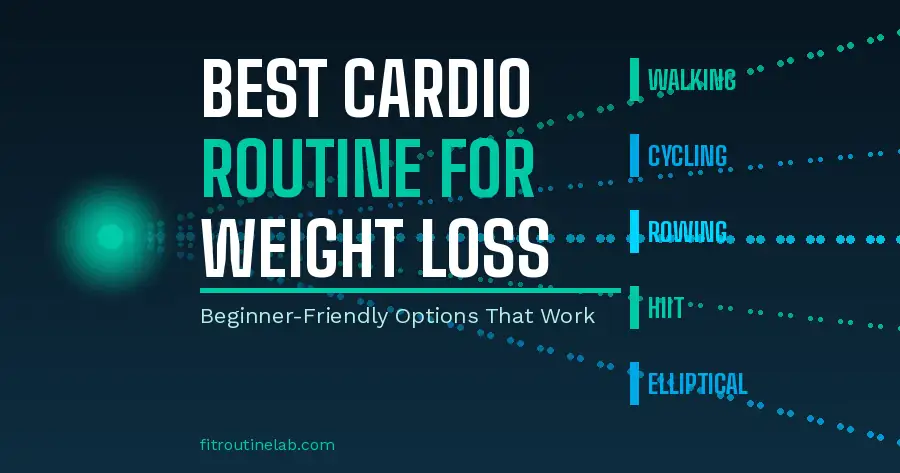
There’s a version of this question floating around every fitness forum and gym conversation: “What’s the best cardio for fat loss?” And the answer, frustratingly, depends. Not in a vague way. It depends on specific things you can actually identify about yourself, your current fitness level, your schedule, your joints, and how much you genuinely dislike certain activities.
This guide isn’t going to pick a winner and declare it superior. It’s going to help you understand what each option actually does, where it helps, where it falls short, and how to choose something you’ll actually stick to for more than two weeks.
The Variable Nobody Talks About
Before comparing treadmills to bikes to rowing machines, there’s a more important factor: adherence. The best cardio routine for weight loss is the one you actually complete. This sounds like a cop-out. It’s not.
Research on exercise and weight loss consistently finds that cardio type matters far less than frequency and consistency. With that established, there are still meaningful differences between options — especially for beginners making decisions about what to build their routine around.
Walking — The Most Underrated Option
Walking doesn’t feel like a workout to most people. That’s part of why it works so well.
The perceived effort is low, the injury risk is minimal, and it’s something most people can do every day without recovery cost. A 30–45 minute brisk walk burns between 150–250 calories, depending on your weight and pace. Across a week, that adds up, a meaningful contribution to a calorie deficit without the fatigue that harder sessions create.
Walking also has a nearly zero entry barrier. No special equipment, no gym membership, no learning curve. For complete beginners who haven’t exercised in years, walking 30 minutes daily for the first 3–4 weeks is a legitimate and effective starting point — not a placeholder while you wait to get “fit enough” for real exercise.
The limitation is ceiling. Once your fitness improves, walking alone may not challenge your cardiovascular system enough to keep driving adaptation. That’s when you progress to something more demanding.
Steady-State Cardio — Reliable And Controllable
Steady-state cardio covers any sustained moderate-intensity effort over a set duration — cycling, running, rowing, elliptical, swimming. Heart rate typically lands between 120–150 bpm, and you can carry on a conversation, though a somewhat strained one.
What makes steady-state cardio useful for weight loss:
- Predictable and easy to schedule
- Produces reliable calorie burn session after session
- Doesn’t require significant recovery time if intensity stays moderate
- Easier to sustain for 30–45 minutes than interval work
The cycling machine, rowing machine, and elliptical are particularly beginner-friendly because they’re low impact. Running is effective but harder on joints; beginners with knee or hip sensitivity often do better starting with alternatives.
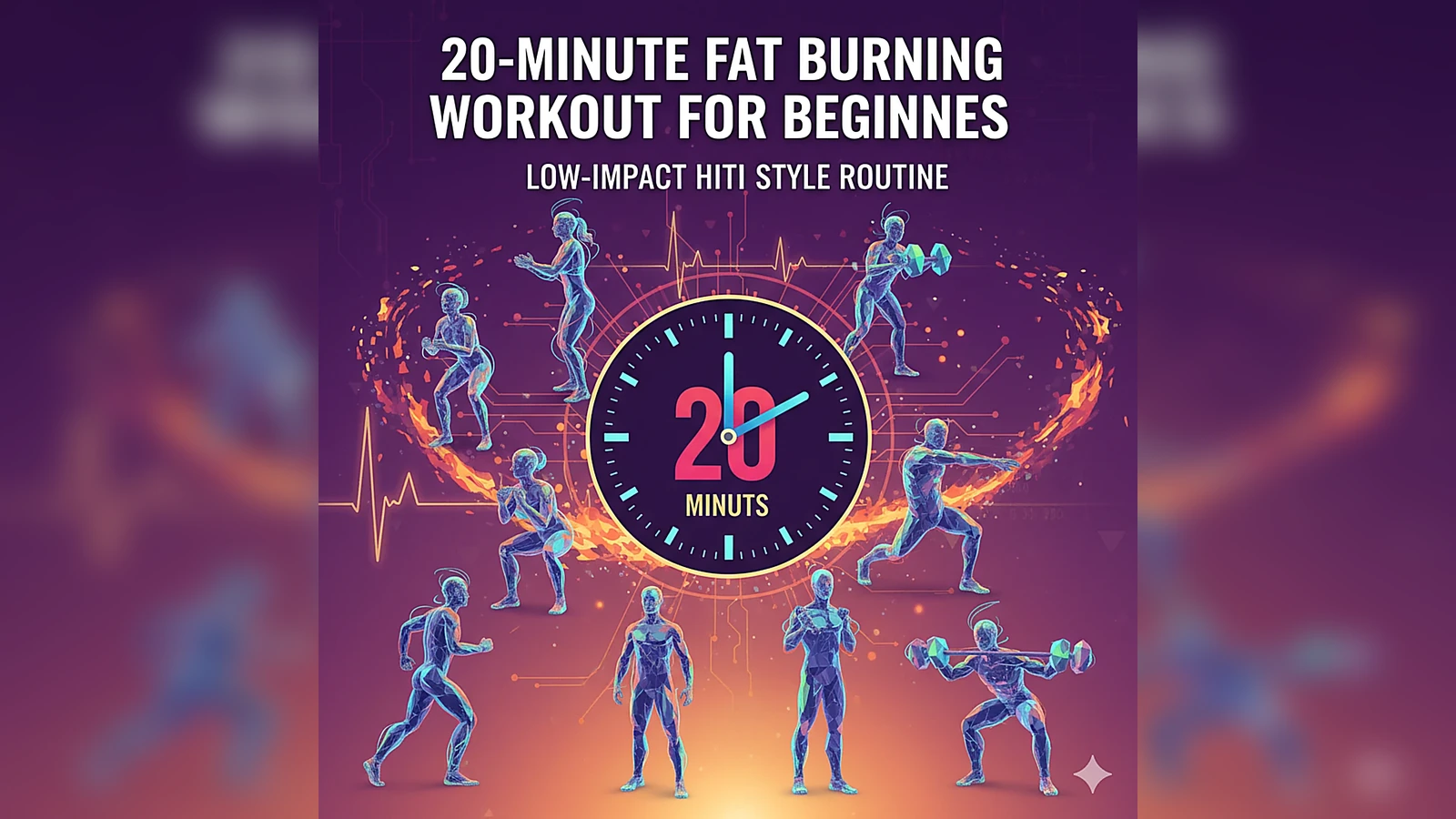
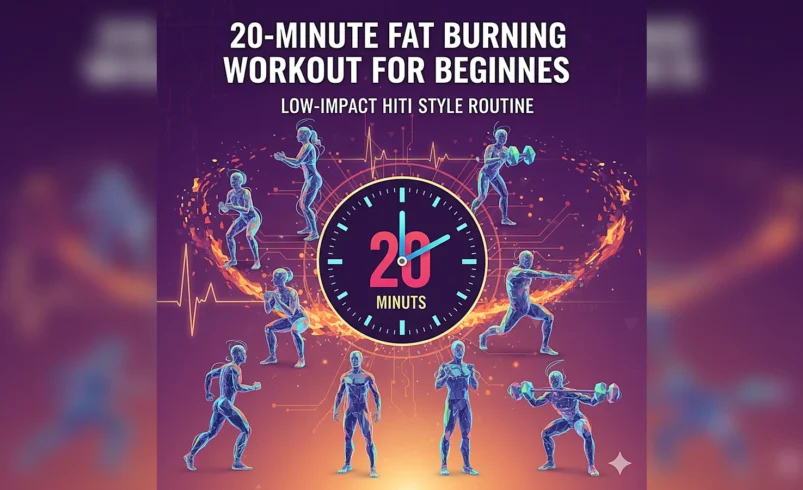
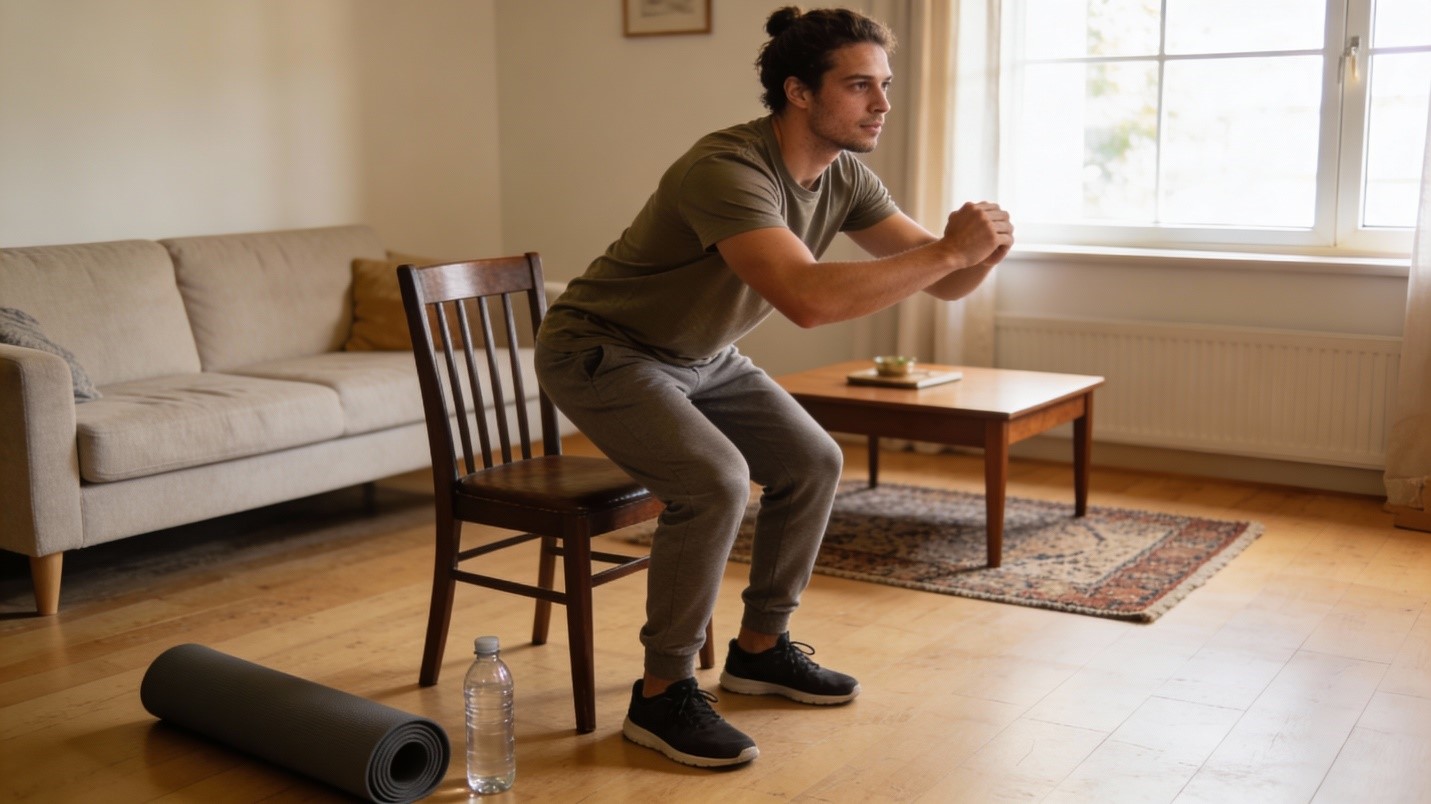
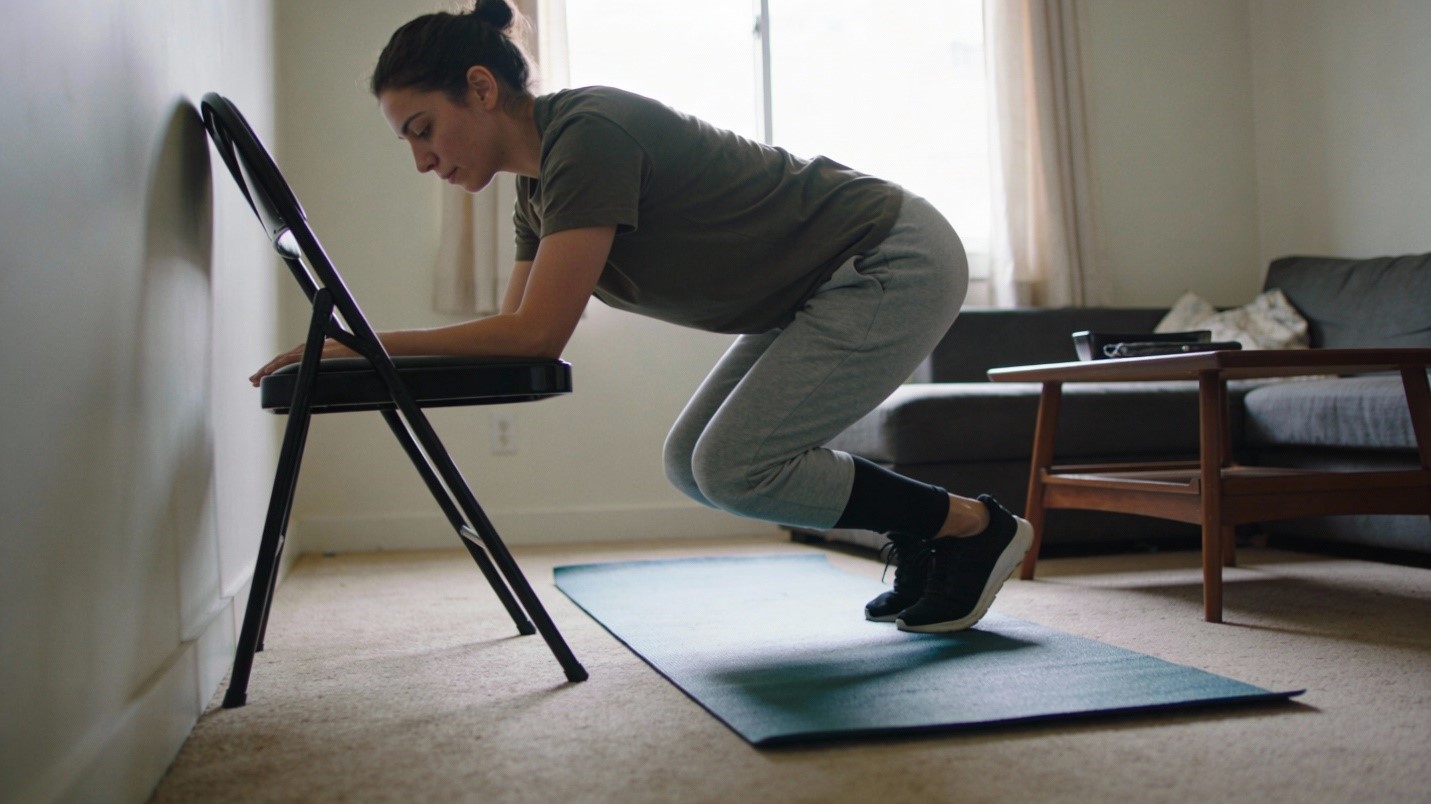
If you’re building a cardio routine from home without gym access, the 20-minute beginner home workout on FitRoutineLab covers a structured session that combines movement and conditioning without equipment.
HIIT and Interval Training — Effective But Easily Overdone
High-intensity interval training alternates short bursts of near-maximum effort with recovery periods. A typical beginner HIIT session might look like 30 seconds of hard effort followed by 90 seconds of slow walking or rest, repeated for 15–20 minutes.
The appeal: HIIT burns calories efficiently relative to time, and some research suggests it can produce a modest elevated calorie burn in the hours after a session (known as excess post-exercise oxygen consumption, or EPOC). For people with very limited time, that’s a real advantage.
The caution for beginners: HIIT is demanding. Done too frequently — more than 2–3 sessions per week — it leads to accumulated fatigue that slows recovery and increases injury risk. True HIIT also requires near-maximum effort during the work intervals, which takes time to safely build up to.
Low-impact HIIT (no jumping, no sprinting) is a workable middle ground. It captures some of the interval benefits with significantly less joint stress. This style of training is explored in more detail in a separate routine for beginners who want short, structured sessions without high-impact movement.
A Decision Framework For Beginners
Use this to choose your starting point:
Haven’t exercised in more than 6 months? Start with brisk walking, 30–40 minutes, 4–5 days per week. Your goal is building the habit and conditioning your joints before intensifying.
Can walk briskly for 30 minutes without difficulty? Progress to steady-state cardio — cycling, elliptical, or rowing — at moderate intensity for 30–40 minutes, 3–4 days per week.
Been doing steady-state cardio for 4+ weeks and want more challenge? Add one interval session per week in place of one steady-state session. Keep the others at lower intensity for recovery.
Have joint pain or mobility limitations? Walking and cycling are your safest starting points.
For low-impact movement options that work well at home, the quiet home workout for beginners is a useful reference.
How Cardio Fits Into A Complete Weight Loss Plan
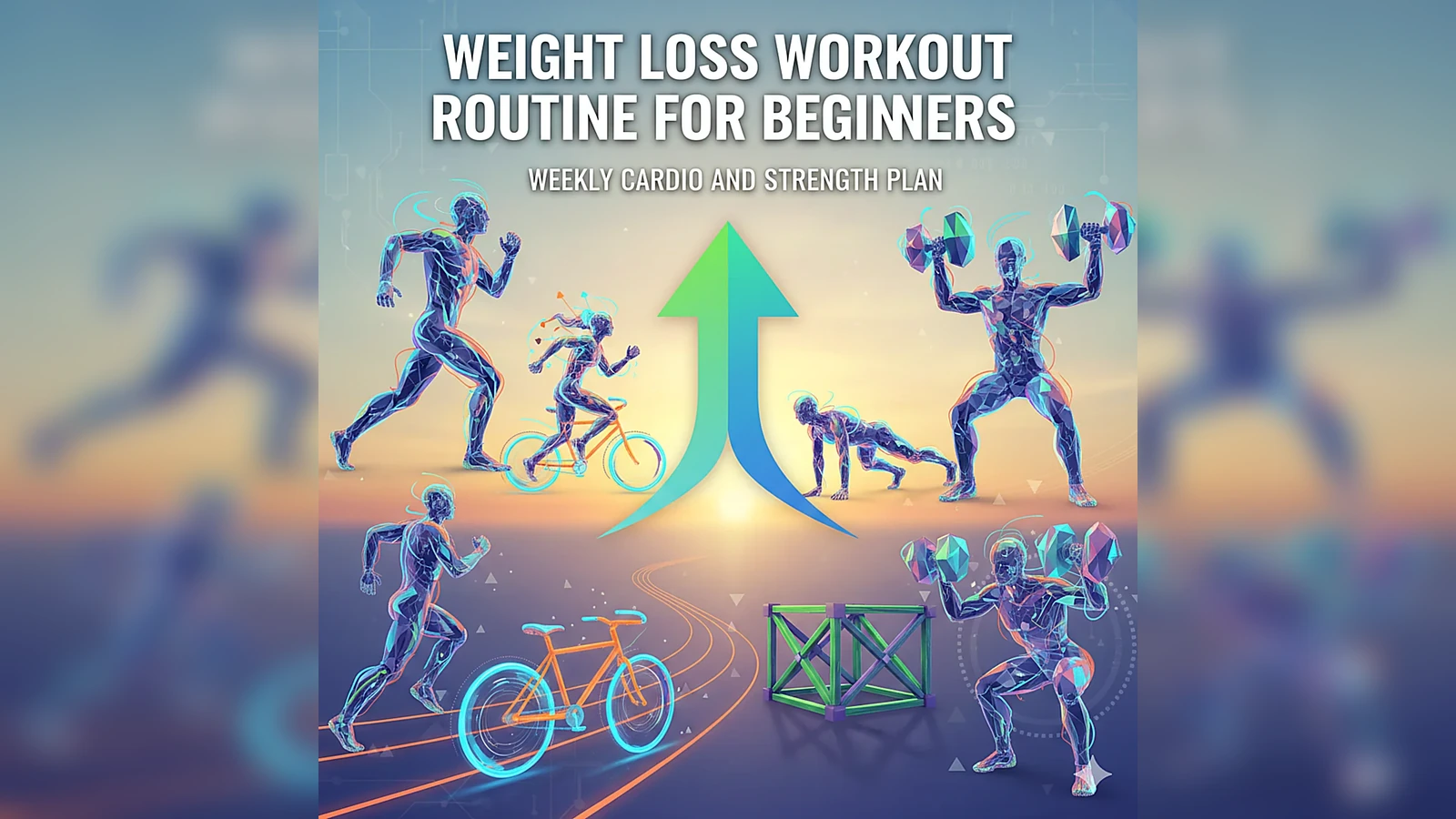
Cardio is one part of the equation, not the whole answer. For beginners, especially, pairing it with two weekly strength sessions makes a measurable difference in outcomes. Strength training helps preserve lean muscle during a calorie deficit and raises your resting metabolic rate slightly, which makes the overall calorie balance work better over time.
A reasonable structure for a beginner weight loss week:
- 2 strength sessions — full-body, 35–45 minutes each
- 2–3 cardio sessions — 30–40 minutes each
- 2 rest or active recovery days
This is 200–250 minutes of moderate activity per week, in line with what most health research identifies as productive for beginner fat loss.
The One Trap Worth Naming
Beginners sometimes assume that more cardio equals faster weight loss. So they train six days a week, cut calories sharply at the same time, and feel exhausted within three weeks. Then they stop entirely.
The compounding effect of consistent, moderate exercise across 8–12 weeks will outperform two intense weeks followed by a complete stop, every time. Your goal in the early months is to find a cardio format you’ll actually return to, session after session.
The best cardio routine is less a specific modality and more a consistent habit. Pick the option that fits your joints, your schedule, and, honestly, what you’ll choose on a tired Thursday evening when motivation is low. Then show up for it three times a week for the next four weeks. After that, you’ll have enough information to decide what to adjust.