Most beginners don’t fail because they lack discipline.
They fail because they treat fitness like a separate task, something that needs extra time, extra energy, and extra motivation.
That’s where everything breaks.
If you’ve ever started strong and then slowly drifted away, the problem isn’t you, it’s your system.
This is where a habit stacking fitness routine for beginners changes everything.
Instead of forcing workouts into your day…
you attach them to behaviors you already do automatically.
And once that clicks, consistency stops feeling like effort.
What Is Habit Stacking (And Why It Works for Fitness)
Habit stacking is simple:
You attach a new habit (workout) to an existing habit (something you already do daily).
Example:
- After brushing your teeth → 5-minute workout
- After morning coffee → stretch routine
- After work → quick bodyweight session
This works because your brain already trusts the existing habit.
You’re not building from scratch — you’re piggybacking on something stable.
Why Most Fitness Routines Don’t Stick
Most beginners unknowingly create friction:
- “I’ll work out when I feel motivated”
- “I’ll find time later”
- “I’ll start fresh next week”
That’s not a system. That’s guesswork.
Even structured plans fail if they aren’t anchored to real life.
If you’ve followed routines before, you’ve probably seen something similar in guides like
“Beginner Workout Routines That Build Consistency”, which emphasize structure.
But structure alone isn’t enough.
👉 You need behavioral anchoring.
The Habit Stack Loop (A Simple Framework That Works)
Let’s introduce a system you can actually use:
🔁 The “Anchor → Action → Reward Loop”
1. Anchor (Existing Habit)
Something you already do daily
→ Wake up, coffee, lunch break, brushing teeth
2. Action (Your Workout)
A small, realistic movement
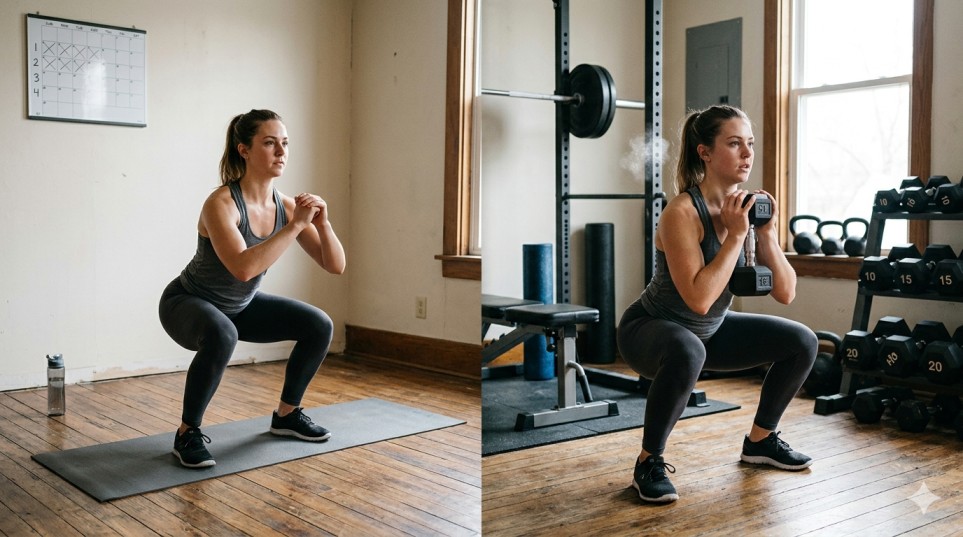
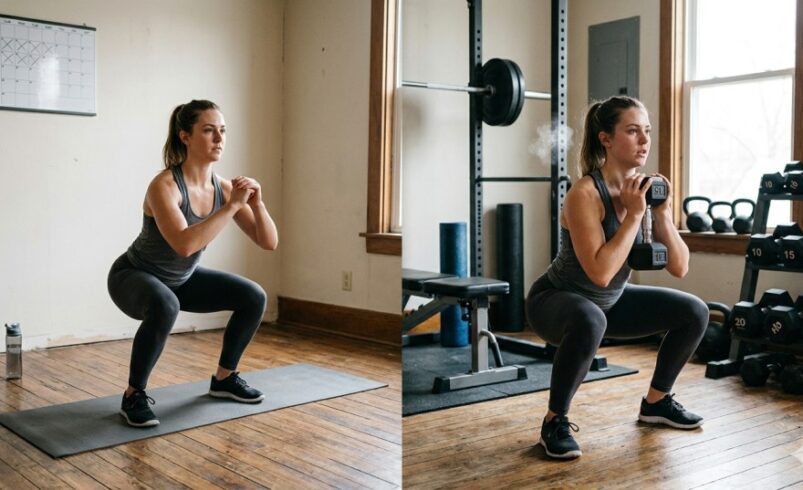
→ 5 squats, 2-minute plank, 10 push-ups
3. Reward (Immediate Feedback)
Something that reinforces the loop
→ Feeling accomplished, checking it off, quick shower
Example:
- After I pour my morning coffee (Anchor)
- I will do 5 minutes of bodyweight exercises (Action)
- Then I’ll mark it complete on my tracker (Reward)
That’s it.
No motivation required. Just repetition.
How to Build a Habit Stacking Fitness Routine (Step-by-Step)
Step 1: Choose a “Non-Negotiable” Anchor
Pick something you already do daily without fail:
- Brushing teeth
- Morning coffee
- Ending work
- Watching TV at night
👉 The more automatic it is, the better.
Step 2: Start Embarrassingly Small
This is where most people mess up.
They try:
- 45-minute workouts
- Complex plans
- Full programs
Instead:
- 3 push-ups
- 5 squats
- 2 minutes of movement
Why?
Because consistency beats intensity — every time.
Step 3: Lock It to a Specific Trigger
Don’t say:
❌ “I’ll work out in the morning”
Say:
✅ “After I brush my teeth, I’ll do 5 squats”
Specificity creates automation.
Step 4: Make It Easy to Start
Reduce friction:
- Keep workout clothes visible
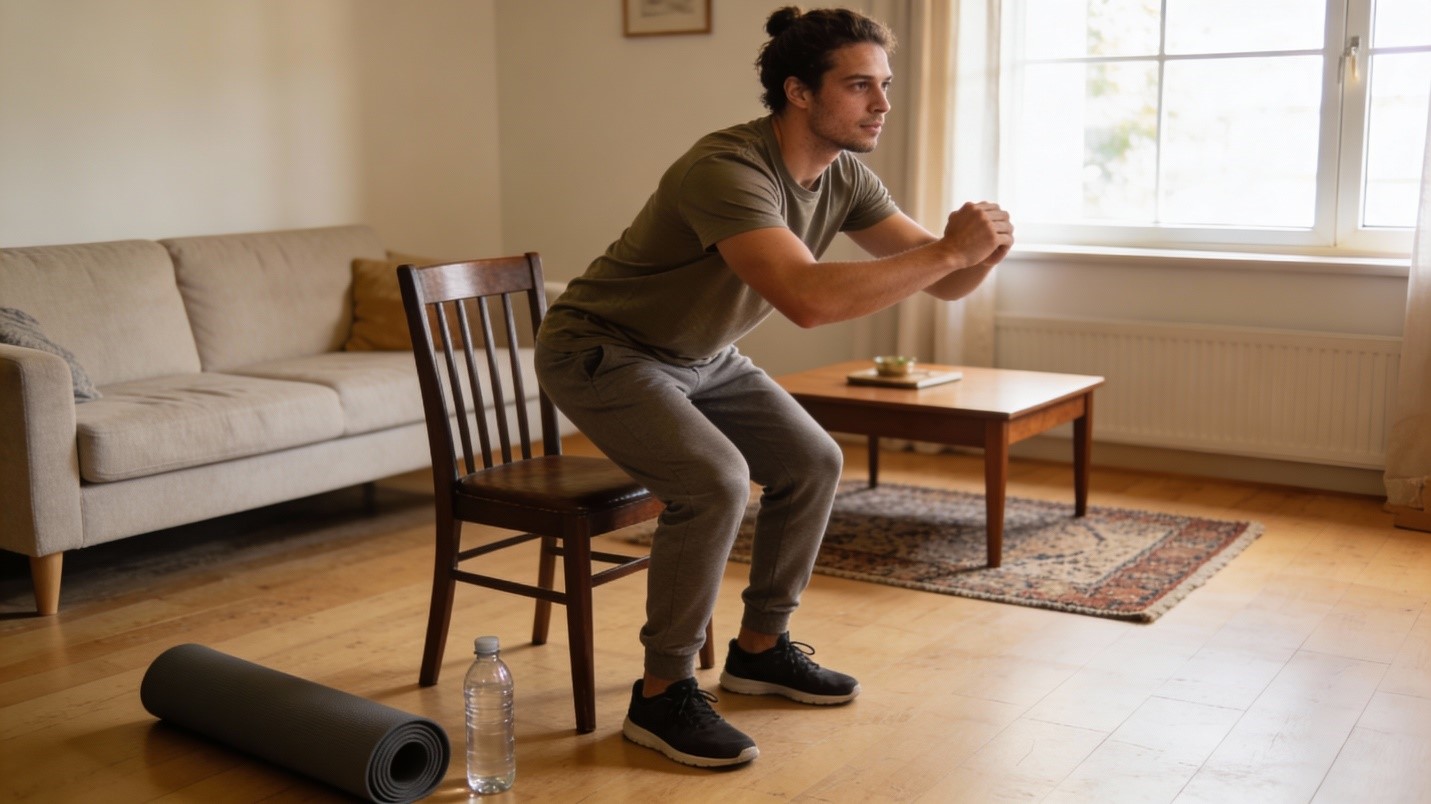
- Use no-equipment exercises
- Remove setup time
This aligns with the idea behind time-efficient routines like
“Daily Workout Schedules That Fit Busy Lifestyles”
👉 The easier it is to start, the harder it is to skip.
Step 5: Stack, Don’t Expand
Once one habit sticks, then layer:
Week 1: 5 squats
Week 2: + push-ups
Week 3: + plank
This creates a fitness routine that sticks without overwhelm.
The Hidden Psychology: Why Habit Stacking Feels Effortless
Your brain loves patterns.
When you attach workouts to an existing habit:
- You reduce decision fatigue
- You eliminate “when should I start?”
- You create identity reinforcement
Over time, your brain shifts from:
👉 “I should work out”
to
👉 “This is just what I do”
That’s the real goal.
Mini Case Example (Realistic Beginner Scenario)
Ali works a 9–5 job.
He failed multiple workout plans before.
Instead of restarting another program, he did this:
- Anchor: After arriving home
- Action: 5-minute bodyweight routine
- Reward: Shower + relaxation
Week 1 → 5 minutes
Week 3 → 10 minutes
Week 6 → Full routine
No motivation spikes. No burnout.
Just consistency.
Common Mistakes to Avoid
❌ Starting Too Big
Leads to burnout in 3–7 days
❌ No Clear Trigger
Creates inconsistency
❌ Relying on Motivation
Motivation is unreliable
❌ Skipping Days = Breaking Identity
Instead: keep it small enough to never skip
Your Habit Stacking Template (Use This)
Here’s your plug-and-play system:
🧩 Habit Stacking Template
After I:
→ __________________________ (existing habit)
I will:
→ __________________________ (small workout action)
For:
→ ______ minutes / ______ reps
Then I will:
→ __________________________ (reward or next action)
Example Filled:
After I:
→ Finish my morning coffee
I will:
→ Do 5 minutes of bodyweight exercises
For:
→ 5 minutes
Then I will:
→ Take a shower and start my day
Final Thought: Make Fitness Automatic, Not Motivational
If you rely on motivation, you’ll always restart.
If you build systems, you’ll never need to.
A habit stacking fitness routine for beginners works because it removes the hardest part:
👉 Starting.
Once starting becomes automatic…
consistency follows naturally.