Weight Loss Workout Routine For Beginners: Weekly Cardio And Strength Plan
- March 4, 2026
- 0
Most beginners who want to lose weight make the same mistake on day one. They open YouTube, find a 45-minute cardio session, and commit to doing it every
Most beginners who want to lose weight make the same mistake on day one. They open YouTube, find a 45-minute cardio session, and commit to doing it every

Most beginners who want to lose weight make the same mistake on day one. They open YouTube, find a 45-minute cardio session, and commit to doing it every day. Two weeks later, they’re burned out and back to square one. The problem isn’t effort. It’s the plan.
A weight loss workout routine for beginners doesn’t need to be extreme. It needs to be sustainable. Research consistently shows that combining cardio with strength training outperforms cardio-only approaches for both fat loss and long-term weight management. This plan is built around that idea.
When most people think about losing weight through exercise, cardio comes to mind first. It burns calories, it feels like work, and you sweat. That part is accurate.
But here’s what cardio-only training misses: muscle tissue burns more calories at rest than fat tissue does. When you include strength training in your routine, you’re not just burning calories during the session; in fact, you’re also nudging your resting metabolism upward over time. That matters a lot when you’re working with a modest weekly calorie deficit.
Strength training also helps you maintain muscle as you lose fat. Without it, a calorie deficit alone can cause you to lose lean mass alongside fat, leaving you weaker and less toned even at a lower weight. The combination of both is what makes this approach more effective than either alone.
For weight loss, major health organisations generally recommend 150–300 minutes of moderate activity per week, with at least two strength sessions. For beginners, the lower end of that range is both safer and more realistic.
This plan targets around 200–230 minutes per week across four active days, two strength sessions and two cardio sessions, with rest built in for recovery. It’s enough to create meaningful progress without the burnout risk that comes from going too hard too fast.
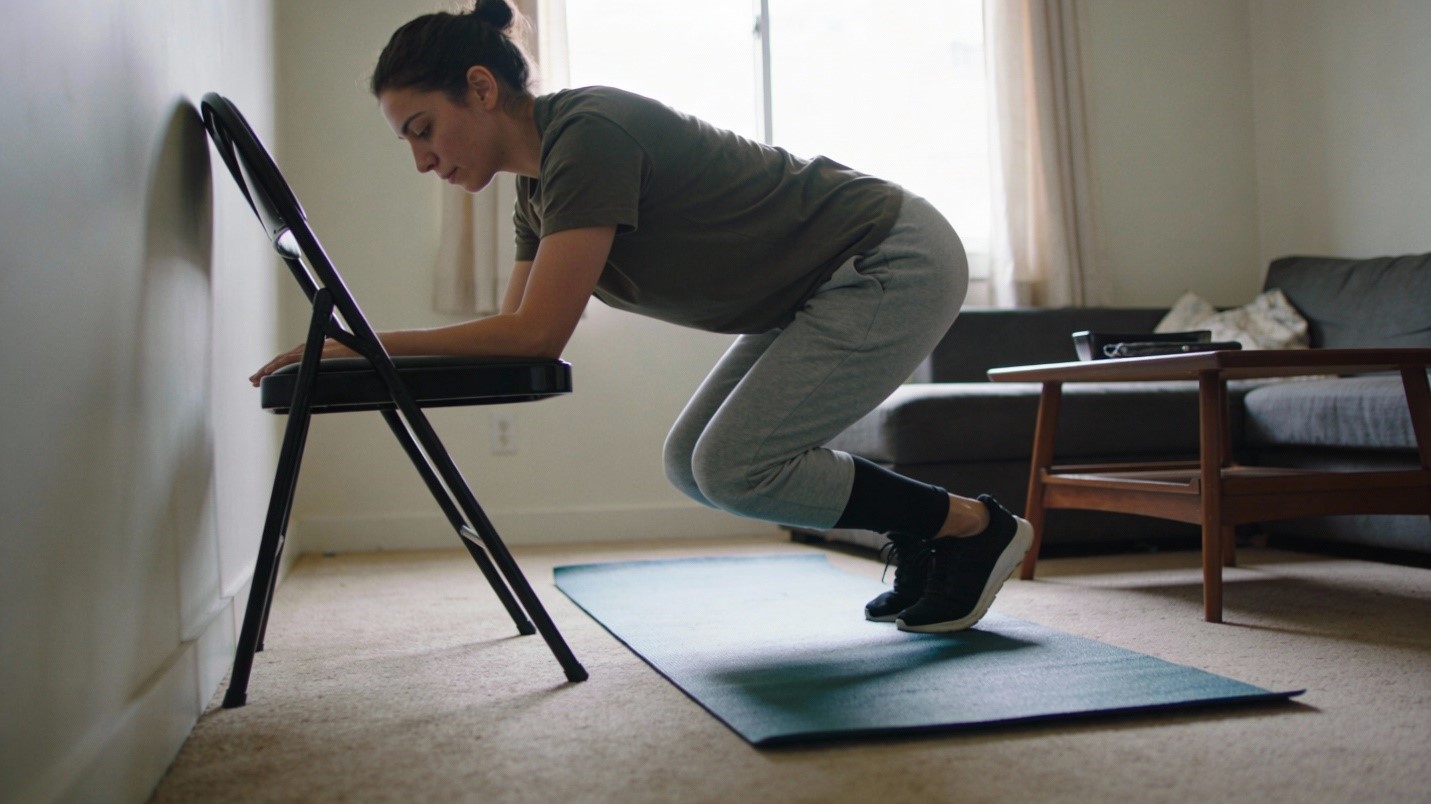
These sessions should run 35–45 minutes. You’re not trying to exhaust yourself. You’re building a base. For each session, aim for 3 sets of 8–12 reps per exercise, resting 60–90 seconds between sets.
Exercise selection (gym or home-adaptable):
If you’re unsure about form on any of these movements, the beginner bodyweight fitness routine covers key exercises with clear setup guidance.
Low-to-moderate intensity is the goal, especially in the first few weeks. Think sustained movement that keeps your heart rate elevated but still lets you hold a conversation.
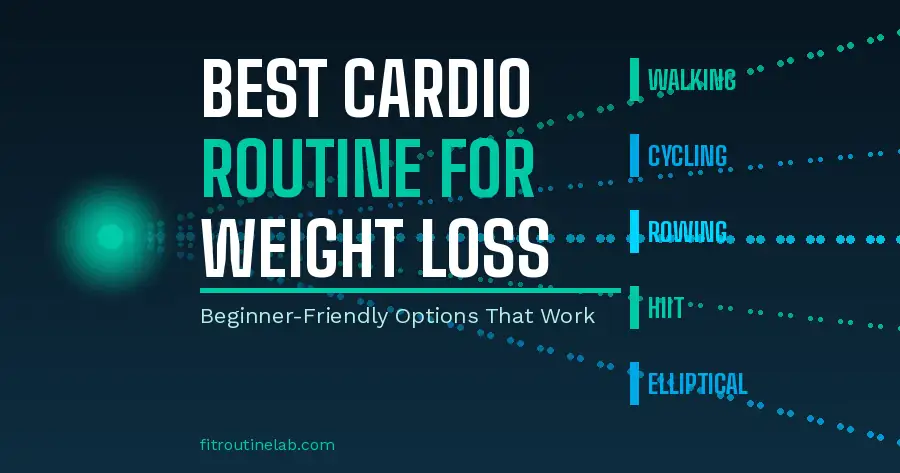
Options depending on what’s available to you:
Target a perceived exertion of about 5–6 out of 10. You should feel like you’re working, but not gasping. This is steady-state cardio, not a race.
These are not wasted days. Rest is when the actual adaptation happens, muscles repair, your nervous system resets, and energy systems refill. Skipping rest is one of the fastest ways to stall progress.
Active recovery is fine on these days. A 20-minute walk, some light stretching, or a yoga session is appropriate. What you want to avoid is another hard session that doesn’t give your body time to adapt.
Here’s a practical example of how a week might flow:
Structured enough to build consistency, flexible enough to fit around real life.
Beginners often plateau not because they stop trying, but because they continue doing the same thing week after week. To keep progressing, the challenge needs to increase gradually.
After the first four weeks, consider:
For a structured progression framework from the start, the beginner fitness routine 4-week plan is worth reading alongside this weight loss guide.
Exercise alone rarely produces dramatic weight loss without some attention to food. That’s not a lecture, it’s just math. A 40-minute cardio session burns roughly 200–400 calories, depending on weight and intensity. A single processed meal can easily exceed that.
A moderate calorie deficit of 300–500 calories per day, mostly through reducing ultra-processed foods and increasing protein, is enough to support steady fat loss without the hunger and fatigue that crash diets cause.
Protein is particularly important during weight loss. It helps preserve lean muscle, keeps you fuller longer, and has a higher thermic effect than carbs or fat (your body burns more energy digesting it). Aim for roughly 0.7–1g of protein per pound of bodyweight per day as a starting point.
Sustainable fat loss for beginners typically falls in the range of 0.5–1.5 lbs per week, depending on calorie intake, consistency, and starting weight. People with more weight to lose often see faster initial progress; those closer to their goal weight will see slower, steadier results.
What you will likely notice in the first few weeks is not dramatic scale movement, but something more useful: better energy, improved mood, and a sense of routine taking hold. These are good signs. They mean the habit is forming, which is what actually drives long-term change.
Do I need gym equipment? No. The strength sessions can be done with bodyweight or a pair of light dumbbells at home. The cardio sessions can be walking. Equipment helps with progression but is not required to start.
Can I do cardio and strength on the same day? Yes, if your schedule requires it. Do strength first, then cardio. This preserves your energy and focus for the technical demands of strength training.
How long before I see results? Most beginners notice physical changes — clothes fitting differently, improved endurance — within 4–6 weeks of consistent training and moderate dietary adjustment. Scale weight can lag behind actual fat loss due to water retention and early muscle gain.
What if I miss a session? Skip it and continue from where you are. Don’t try to double up to compensate. That usually leads to soreness, fatigue, and more missed sessions.
Before you build a complicated plan, do one thing this week. Decide which days you’ll train, put them in your calendar, and show up. Not perfectly. Just consistently.