Beginner Fitness Routine: 4-Week Starter Plan For Absolute Beginners
- February 3, 2026
- 0
Getting started with exercise is a lot less dramatic than it feels in your head. Most beginners do not need a hardcore program; they just need a clear,
Getting started with exercise is a lot less dramatic than it feels in your head. Most beginners do not need a hardcore program; they just need a clear,
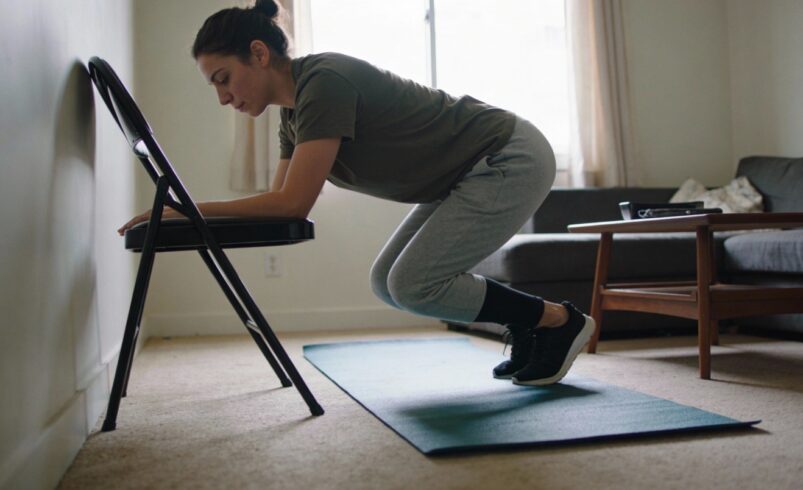
Getting started with exercise is a lot less dramatic than it feels in your head. Most beginners do not need a hardcore program; they just need a clear, gentle plan that gets them moving without wrecking their energy or their confidence. That is what this four-week beginner fitness routine is built to do: give you simple steps, one week at a time, so you can finally move from I should start to “this is just part of my day now.
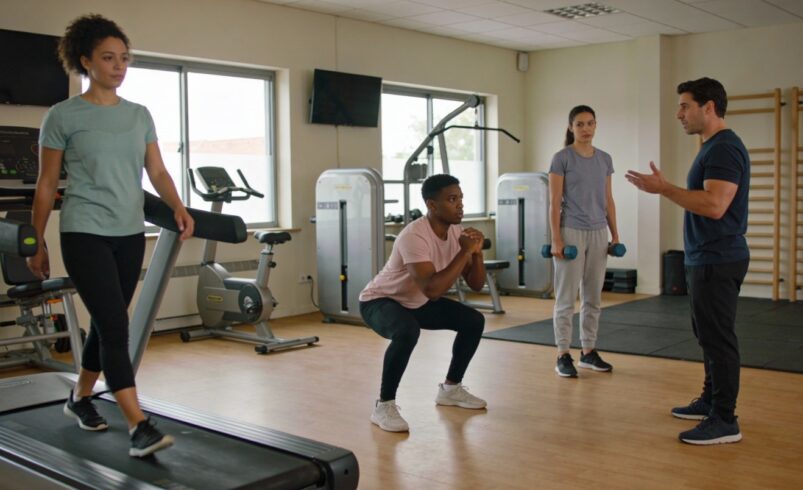
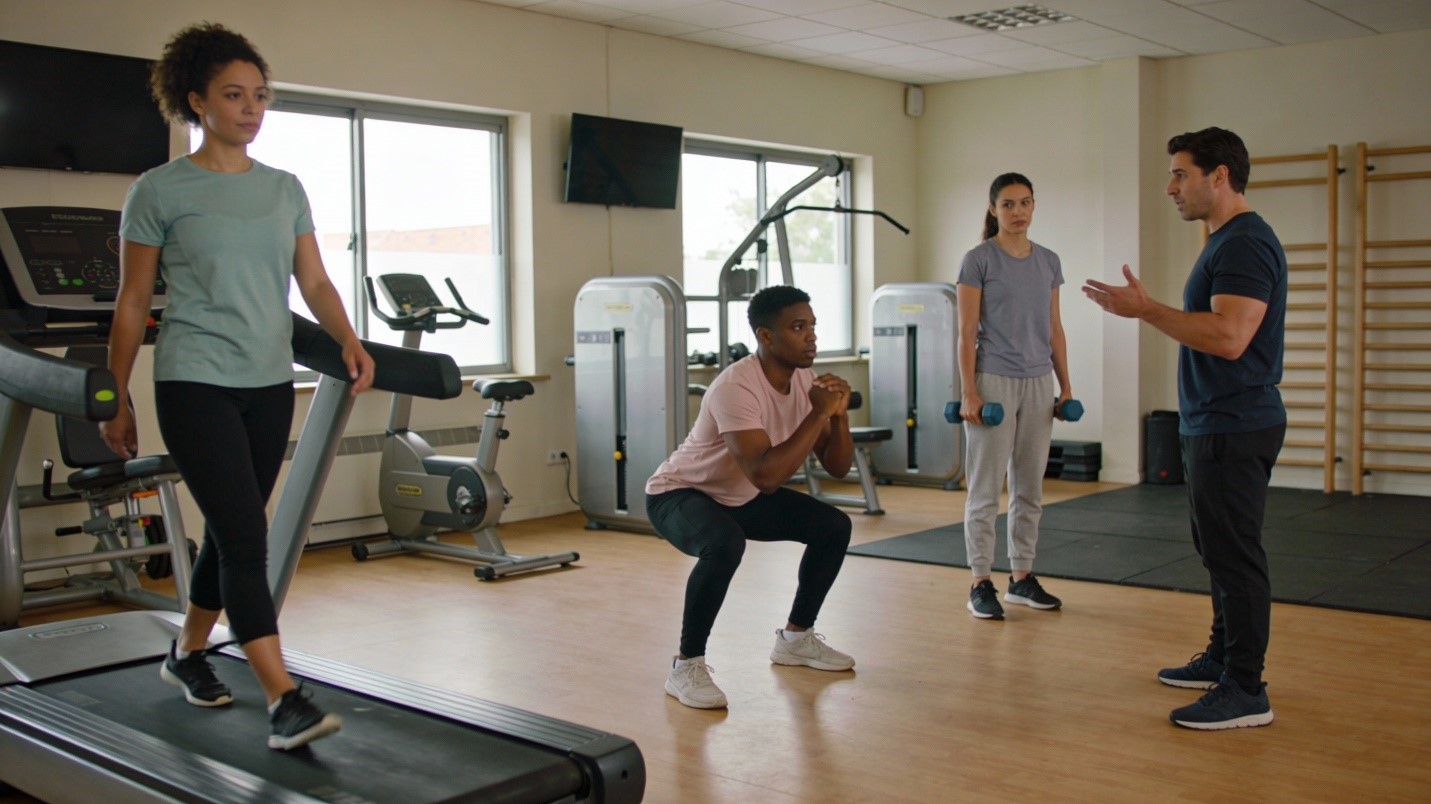
This plan is for anyone who feels like a total beginner. Maybe you get winded on stairs, feel stiff when you wake up, or you have tried “getting fit” a few times and dropped it after a week because it was too much, too soon. You might not feel ready for a gym, and the idea of complicated workout plans with lots of equipment simply does not appeal.
If that sounds familiar, you are exactly who this routine was designed for. You only need about 20–30 minutes on most days, some comfortable shoes, and a willingness to start where you are instead of where you think you “should” be. If you are dealing with an injury, long-term health issue, or anything you are unsure about, it is still wise to check in with a doctor or physiotherapist before you begin.
There are a few simple principles behind this plan, and they matter more than any single exercise. First, you start small and build slowly; no “all or nothing” mindset, no brutal sessions that leave you sore for a week. Second, you combine light cardio with basic strength moves so you improve your heart health and your muscles at the same time.
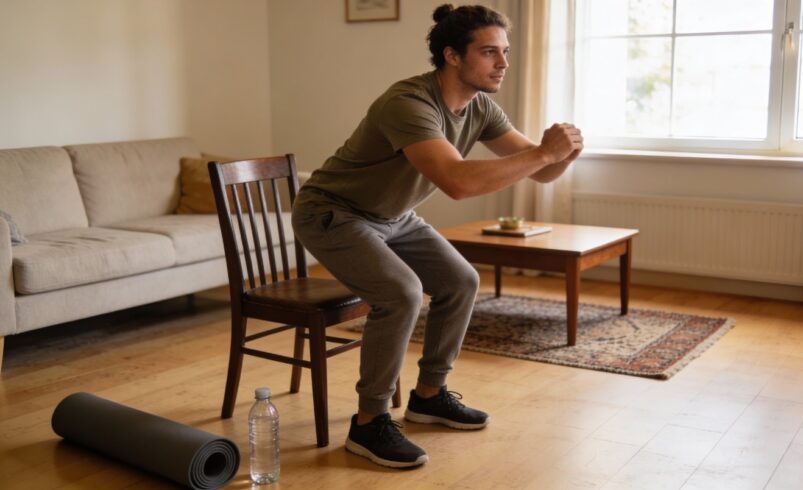
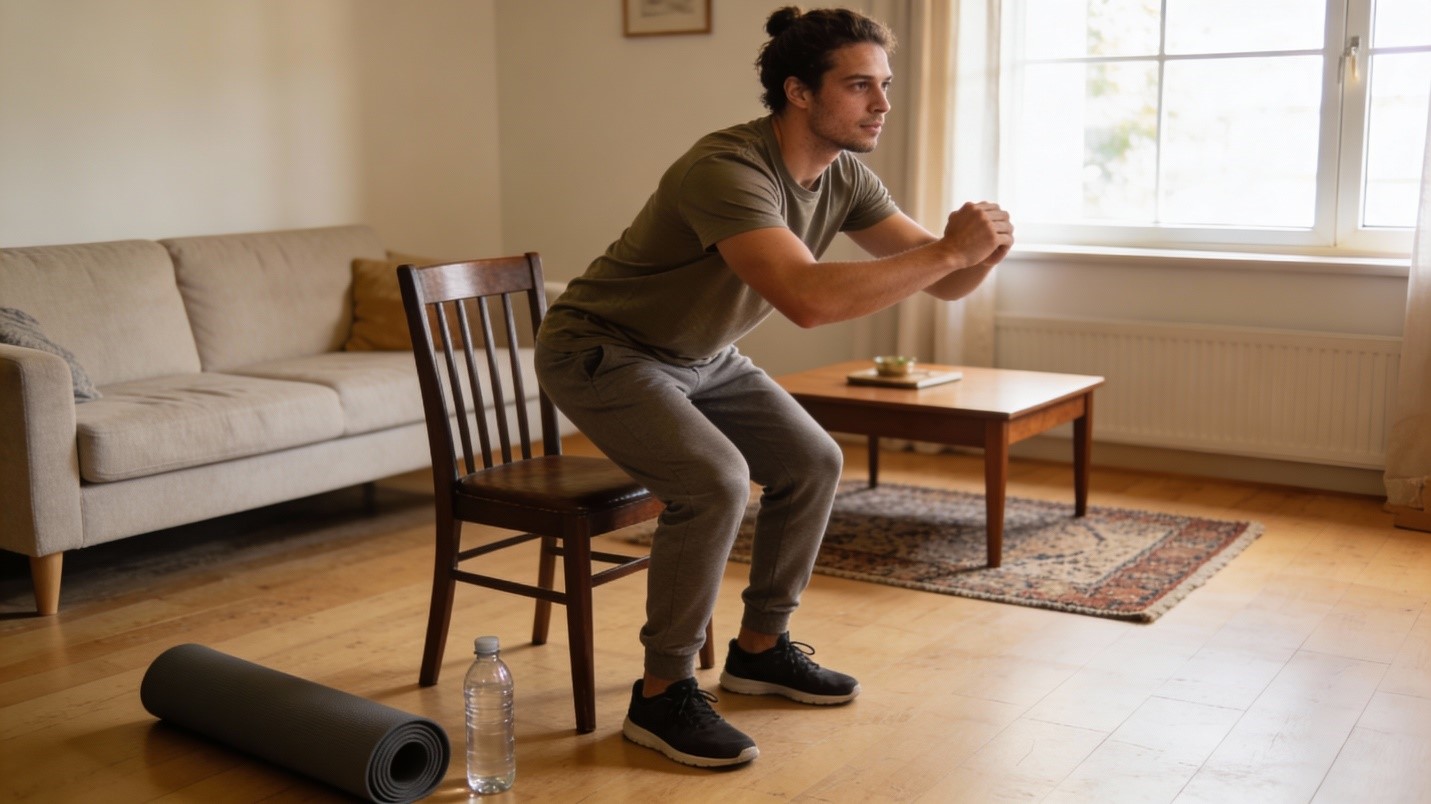
You will keep the movements simple, things like squats, wall push-ups, and glute bridges—because complicated does not mean better, especially early on. You will also see rest days built right into the plan, because recovery is part of training, not a sign of weakness. Over these four weeks, the real goal is to build a beginner fitness routine you can actually stick to, not just survive.

If you like the rhythm of having something small to do most days, you will later be able to build this into a more detailed daily fitness routine for beginners that fits around work, family, or studies.

By now you might notice real changes: everyday tasks feel easier, your breathing recovers faster, and exercise feels less alien. If you start feeling curious about building more strength, later articles like the beginner muscle building routine for women or men in your content plan are the natural next step to progress from this base.
Week four is where everything starts to feel more normal. You are not just trying something new; you are living with a routine that actually fits you. A good structure at this point is three strength days, two cardio days, and two lighter or rest days woven into your week. On strength days, you warm up, then work through 4 sets of your basic moves squats, push-ups against a wall or bench, glute bridges, and rows if you have the equipment, finishing with a couple of short rounds of core work. On cardio days, you spend about 25–30 minutes walking or cycling at a pace that feels purposeful but not punishing, using short intervals when you want a little challenge.
By now, the biggest shift is not just physical; it is how you think about yourself. You start to see that you can be someone who moves regularly, even with a busy life, limited equipment, or a history of stopping and starting. From here, you can keep this structure and gradually nudge the difficulty up more reps, slightly longer walks, maybe adding dumbbells, or branch into more specific goals like a focused beginner fitness routine at home or a habit-based plan that helps your routine stick long-term. When you are ready to focus more on consistency psychology than on sets and reps, posts built around habit and motivation, like how to build a consistent fitness habit as a beginner, will connect directly with what you have already done here and give you the tools to stay on track even when life gets busy.