What Is a Calorie Deficit and Does It Actually Explain Everything About Weight Loss?
May 5, 2026
0
If you have spent time reading about weight loss, you have almost certainly encountered the phrase ‘calorie deficit.’ It appears in fitness apps, nutrition guides, and mainstream health
If you have spent time reading about weight loss, you have almost certainly encountered the phrase ‘calorie deficit.’ It appears in fitness apps, nutrition guides, and mainstream health advice because it describes a real and well-established mechanism. But the moment you try to apply it, the questions start. How big should your deficit be? Does it matter what you eat, or just how much? Why do some people eat very little and still not lose weight?
This article explains what a calorie deficit actually is, how it works according to current research, and where the concept alone falls short of the full picture. Understanding both sides of this equation gives you a far more useful foundation than the simplified version most sources provide.
What Is a Calorie?
Before understanding a deficit, it helps to be clear on what a calorie is. In nutrition, a calorie is a unit of energy. Your body uses this energy constantly, from breathing and regulating body temperature to moving, thinking, and digesting food.
Every food you eat contains a number of calories that represents the energy released when your body breaks it down. Carbohydrates and protein each provide four calories per gram. Fat provides nine calories per gram. Alcohol provides seven calories per gram. These numbers are stable and consistent regardless of food source, which is why calorie counting is a reliable tool for estimating energy intake.
What a Calorie Deficit Is and How It Causes Weight Loss
A calorie deficit occurs when you consume fewer calories than your body uses over a given time period. When this gap exists, your body needs an alternative energy source to make up the difference. It turns primarily to stored body fat, breaking it down to release the energy it contains.
What Is a Calorie?
For example, if your body burns 2,200 calories in a day and you eat 1,800, you have a 400-calorie deficit. Over time, that gap accumulates. Approximately 3,500 calories of deficit corresponds to roughly one pound of fat loss, though this is a simplified estimate and individual variation matters.
This is the fundamental mechanism behind every successful weight loss outcome, regardless of which dietary approach achieves it. Low carbohydrate diets, low fat diets, intermittent fasting, and plant-based diets all produce weight loss through the same pathway. If weight is being lost, a calorie deficit is the reason. The method is just the way that deficit is created.
How Your Body Burns Calories Each Day
To use a calorie deficit effectively, you need a working understanding of how many calories your body actually burns. The total is called Total Daily Energy Expenditure, or TDEE. It is made up of several distinct components.
Basal Metabolic Rate (BMR) is the energy your body uses simply to keep you alive while at rest. This includes breathing, pumping blood, maintaining organ function, and regulating temperature. BMR accounts for roughly 60 to 70 percent of your total calorie burn and is influenced by body size, muscle mass, age, and sex.
The Thermic Effect of Food (TEF) refers to the calories burned during digestion. Protein has the highest thermic effect of any macronutrient, using approximately 20 to 30 percent of its own calories during digestion. This is one reason why higher-protein diets create a slight increase in total calorie burn.
Physical activity includes both intentional exercise and non-exercise activity thermogenesis (NEAT), which covers all the movement in your day that is not formal exercise: walking, fidgeting, carrying groceries, standing. NEAT varies enormously between individuals and is one reason two people with similar body compositions can have very different calorie needs.
Your TDEE is your maintenance level. Eating below this number creates a deficit. Eating above it creates a surplus.
How to Calculate a Simple Calorie Deficit
You do not need to obsess over precise numbers, but having a reasonable estimate helps you make intentional choices. Several free online TDEE calculators accept your age, height, weight, and activity level and return an estimated maintenance calorie figure.
From that baseline, a moderate deficit of 300 to 500 calories per day is widely considered a sustainable and evidence-supported starting point. This typically produces weight loss of roughly 0.5 to 1 pound per week. Research consistently shows this range preserves muscle mass better than more aggressive deficits and is more likely to be maintained over time.
Deficits exceeding 1,000 calories per day are generally not recommended for most people. Very large deficits accelerate muscle loss, increase fatigue, disrupt hormonal function, and often lead to bingeing or abandonment of the approach after a few weeks.
Where the Calorie Deficit Concept Falls Short
Here is the honest part of this conversation. A calorie deficit explains the direction of weight change. It does not explain the quality of that change or its long-term sustainability.
The composition of the foods you eat within a deficit matters significantly. A 500-calorie deficit achieved through reduced intake of processed foods combined with adequate protein will produce very different body composition outcomes compared to the same deficit created by skipping meals and eating little protein. The first approach tends to preserve muscle. The second tends to cause muscle loss alongside fat loss.
If you want to understand why muscle preservation matters so much during a deficit, it helps to first learn how muscle growth works at a basic level.
Your metabolism is also not static. When you consistently eat below maintenance, your body responds by reducing energy expenditure. This is called adaptive thermogenesis, and research has confirmed it occurs even in people who are not dieting aggressively. Your BMR decreases because your body is attempting to conserve energy in response to reduced intake. This is why weight loss often slows or stops after several weeks even when calorie intake has not changed. The deficit has effectively shrunk because your body burns less.
Hunger hormones shift as well. Leptin, which signals fullness and helps regulate energy balance, decreases during calorie restriction. Ghrelin, which signals hunger, increases. This biological push toward eating more is not a willpower failure. It is a physiological response that requires strategy to manage rather than sheer determination.
How to Make a Calorie Deficit Sustainable
Understanding these limitations does not undermine the importance of a calorie deficit. It means that a successful approach works with your body’s responses rather than ignoring them.
Consuming adequate protein during a deficit is the single most protective dietary strategy for preserving muscle mass. Research supports a target of 1.6 to 2.2 grams of protein per kilogram of body weight for people who are also engaging in resistance training. Protein also supports satiety, meaning it helps you feel fuller for longer, which makes the deficit easier to maintain day to day.
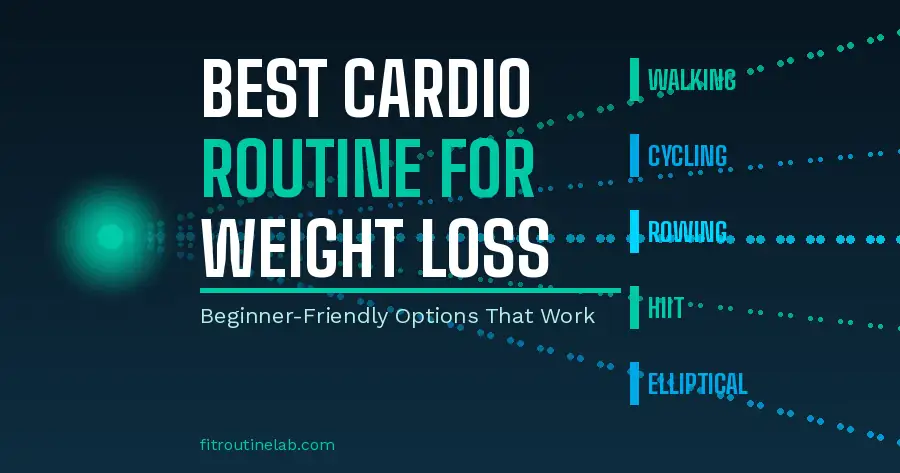
Including resistance training while in a deficit counteracts muscle loss and helps maintain your metabolic rate. People who combine a calorie deficit with strength training consistently achieve better body composition outcomes than those who use cardio alone, losing more fat and retaining more muscle. Even a short 20-minute fat-burning workout done consistently contributes to this calorie gap without requiring hours in the gym.
Choosing foods that provide high satiety relative to their calorie content, such as vegetables, legumes, lean proteins, and whole grains, makes a deficit feel far more manageable than trying to eat less of calorie-dense, low-fiber foods.
Some people find that periodic diet breaks, short periods of eating at maintenance before returning to a deficit, help reset hunger hormones and allow motivation to recover. This can improve long-term adherence.
How Exercise Fits Into a Calorie Deficit
Exercise increases your total daily calorie burn, which means you can eat slightly more and still maintain the same deficit. This is helpful for two reasons. First, it makes the diet less restrictive, which supports adherence. Second, the right types of exercise, particularly resistance training, help preserve muscle mass during fat loss.
However, exercise alone is rarely sufficient to create a meaningful calorie deficit without dietary changes for most people. Research consistently shows that dietary modification has a greater impact on calorie balance than exercise for the majority of individuals. The two approaches are most effective when used together, not as substitutes for each other.
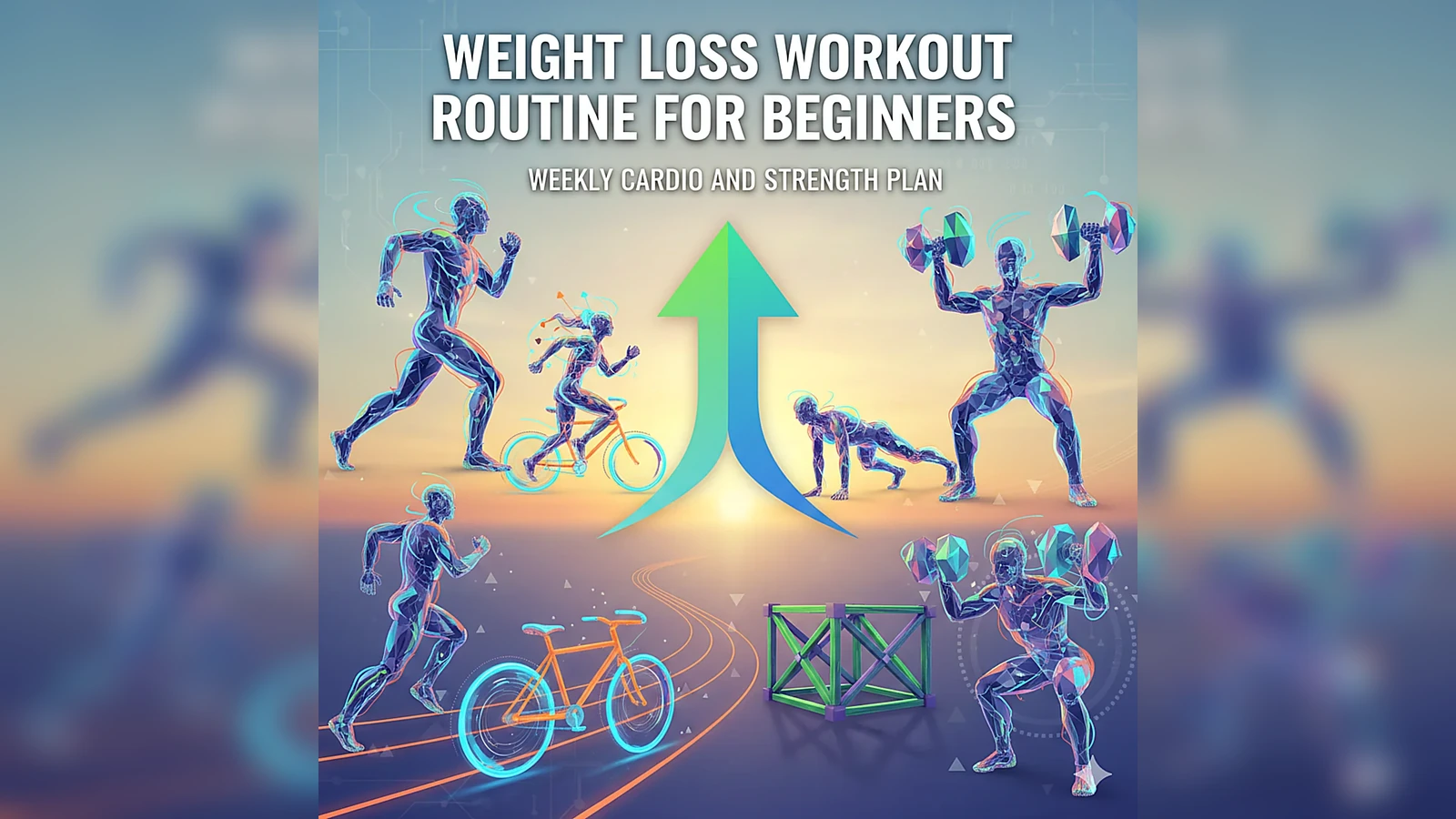
A structured weight loss workout routine that combines both cardio and strength gives you the most efficient way to do this.
The Balanced View
A calorie deficit is scientifically sound and clearly necessary for weight loss. Every legitimate nutrition authority, including the National Institutes of Health, the Academy of Nutrition and Dietetics, and the World Health Organization, acknowledges that energy balance is the core of body weight regulation.
At the same time, the quality of your food, your protein intake, the presence of resistance training, your sleep, and your hormonal responses all shape whether a deficit leads to a healthy, sustainable outcome or a frustrating cycle of weight loss and regain. The goal is not just to lose weight. It is to lose body fat while preserving muscle, maintaining energy, and building habits that last. A calorie deficit is the starting point. The rest of the strategy determines what you do with it.