How Does HIIT Actually Burn Fat? What Beginners Need to Know
- June 3, 2026
- 0
Most people start doing HIIT because they heard it burns more fat than regular cardio. Some people quit after a few weeks because they expected faster results than
Most people start doing HIIT because they heard it burns more fat than regular cardio. Some people quit after a few weeks because they expected faster results than
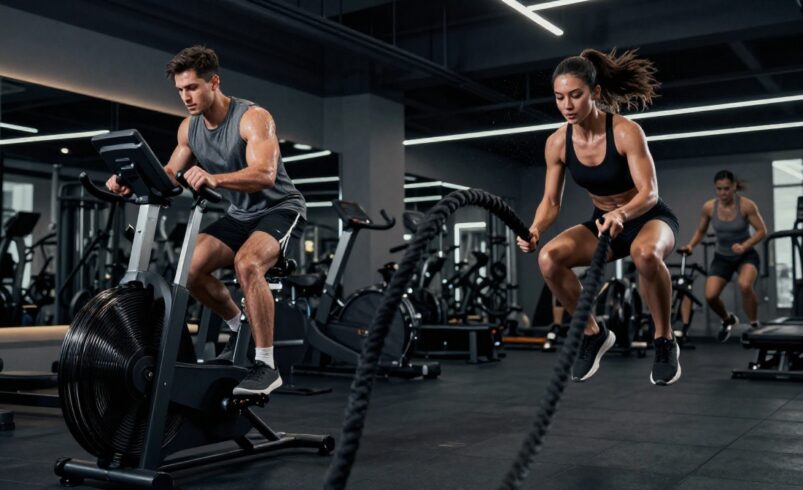
Most people start doing HIIT because they heard it burns more fat than regular cardio. Some people quit after a few weeks because they expected faster results than what actually happened. Both groups are missing the full picture of what HIIT actually does in the body and why it works the way it does.
High-intensity interval training is genuinely effective for fat loss. But the reason it works is more nuanced than most fitness content explains. It is not magic. It is not the only answer. And it definitely does not bypass the basic rules of fat loss. What HIIT does is create a very specific set of metabolic and physiological conditions that make burning fat more efficient over time.
This guide breaks down exactly how that works, in plain language, so you can use HIIT as the effective tool it actually is rather than expecting it to do something it was never designed to do.
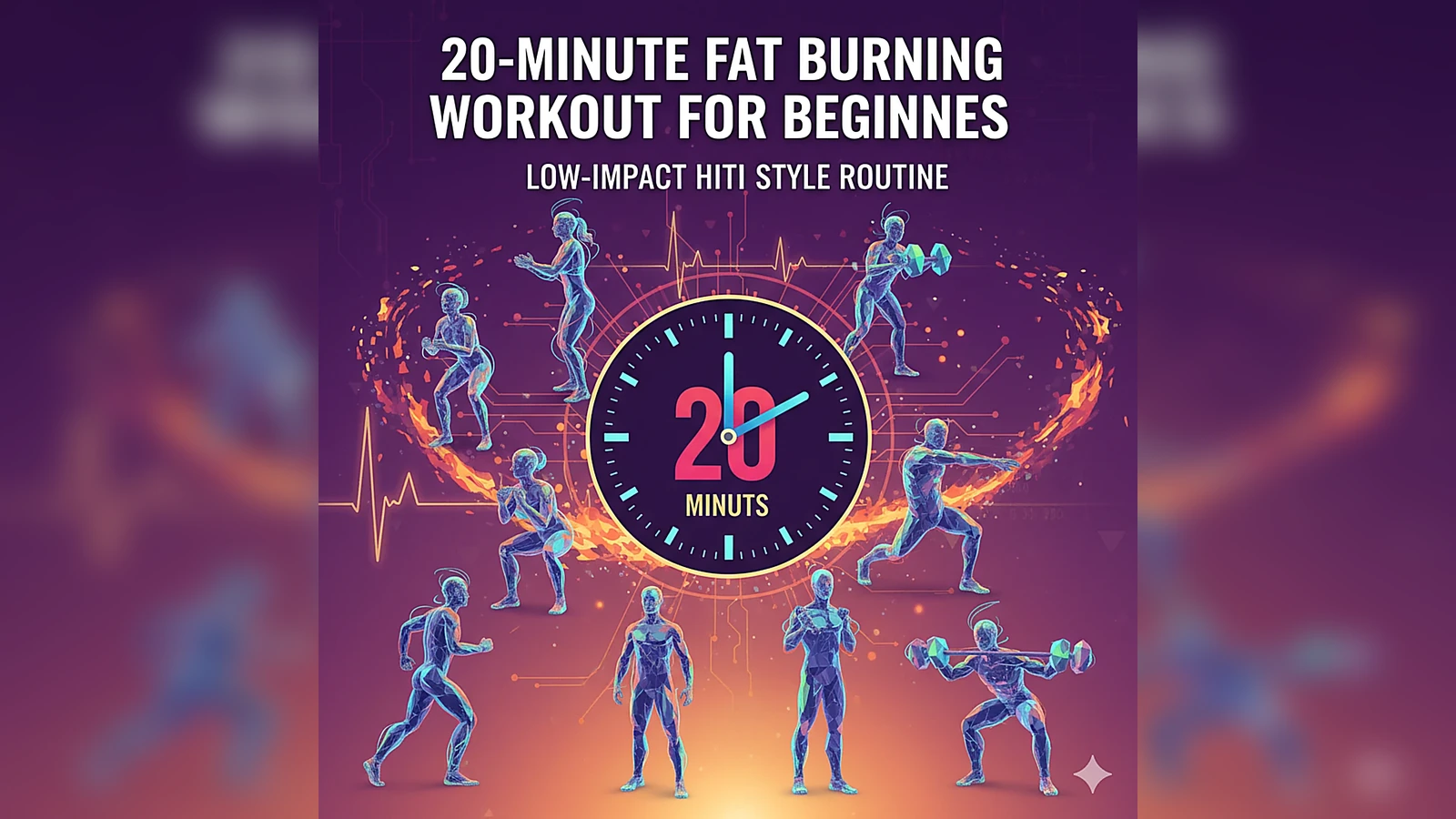
HIIT stands for high-intensity interval training. The concept is straightforward. You alternate short periods of very intense effort with periods of lower-intensity recovery. A common beginner format might look like 30 seconds of hard sprinting followed by 90 seconds of walking, repeated 6 to 8 times.
What makes HIIT different from regular steady-state cardio is the intensity of those work intervals. You are not jogging at a comfortable pace. You are pushing close to your maximum effort, which places a very different kind of demand on your cardiovascular system and your muscles.
That difference in demand is precisely what creates the fat-burning and metabolic advantages that HIIT is known for.
When you exercise at very high intensity, your body cannot rely on fat as its primary fuel source in real time. Fat metabolism is a slower process that requires oxygen. During intense sprints or maximum-effort intervals, your body shifts toward burning carbohydrates (glycogen) because they can be broken down and used for energy much faster.
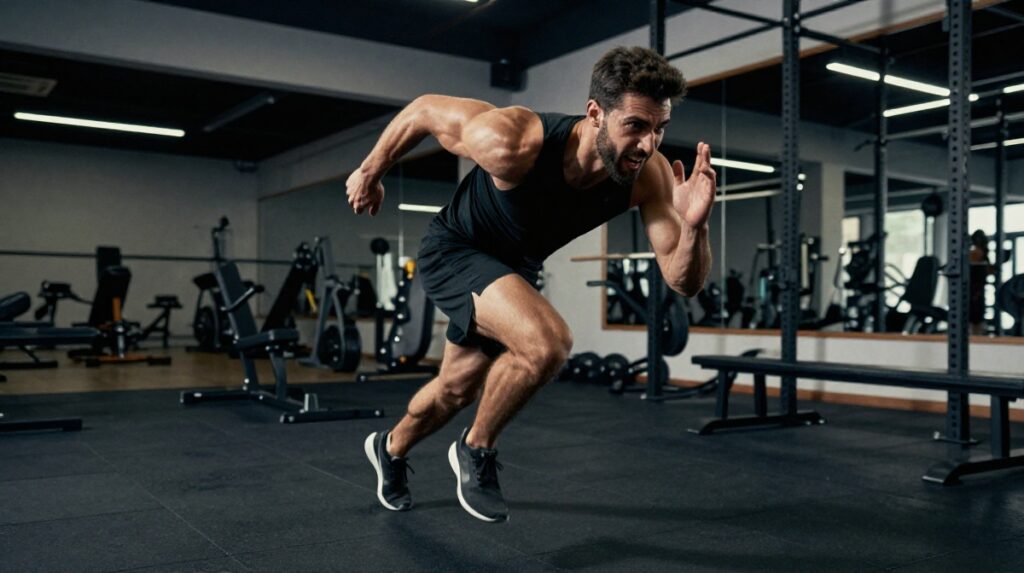
This might sound like it works against fat loss, and it is a common source of confusion. The key is understanding what happens after the workout, not just during it.
During the intervals themselves, your calorie burn is significantly higher than it would be during moderate-intensity steady-state exercise. Research published in the Journal of Obesity found that HIIT burned 25 to 30 percent more calories per minute than moderate-intensity cycling or running, making it a time-efficient way to increase total calorie output (Boutcher, 2011).
This is where HIIT really sets itself apart from regular steady-state cardio.
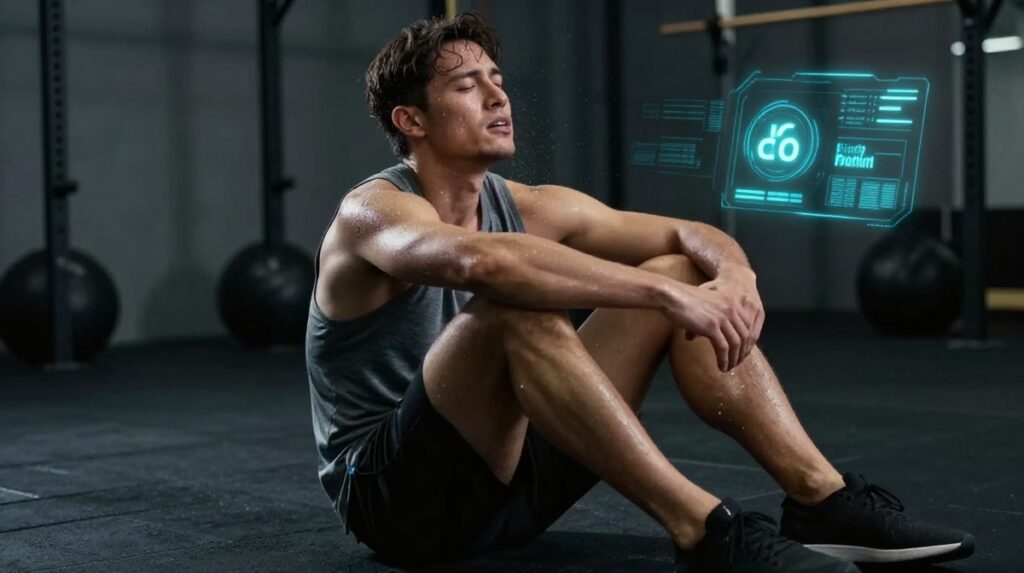
After a high-intensity training session, your body enters a state of elevated oxygen consumption that can last for several hours. This is called Excess Post-Exercise Oxygen Consumption, commonly referred to as EPOC or the “afterburn effect.” Your body uses this recovery period to restore normal oxygen levels, reduce core temperature, replenish glycogen stores, and repair muscle tissue. All of this requires energy, and during the post-exercise recovery window, fat is a primary fuel source.
The more intense the workout, the greater the EPOC response. A moderate jog produces a small and short-lived EPOC. A genuine HIIT session can keep your metabolism elevated for 14 to 24 hours post-workout, sometimes longer, depending on the intensity and duration of the session.
This after-workout calorie burn is one of the main reasons HIIT is considered more effective than steady-state cardio for fat loss on a per-minute basis. The calorie-burning window does not close when the session ends.
Beyond the immediate calorie burn and EPOC, regular HIIT training produces longer-term metabolic adaptations that support fat loss.
One of the most significant adaptations is improved insulin sensitivity. Your muscles become better at taking up glucose from the bloodstream, which means less glucose is stored as fat. Over several weeks of consistent HIIT training, your body becomes more efficient at managing blood sugar, which directly affects your body composition over time.
HIIT also contributes to preserving and, in some cases, increasing lean muscle mass. Since the intense intervals place a demand on your fast-twitch muscle fibers, similar to strength training, your body has a reason to maintain muscle. This matters for fat loss because muscle tissue burns more calories at rest than fat tissue does. A higher proportion of lean muscle means a higher resting metabolic rate even on days you are not working out.
This is a key reason why research tends to favor HIIT over long-duration steady-state cardio for body composition changes rather than just weight loss numbers on a scale.
Here is the part that most HIIT-focused content glosses over, and it is important enough to say clearly: HIIT cannot override the energy balance equation.

Fat loss requires a calorie deficit. You need to burn more calories than you consume over time. HIIT is a highly effective tool for creating or contributing to that deficit because it burns a significant number of calories in a short time and extends calorie burning through EPOC. But if your food intake cancels out that deficit, fat loss will not occur.
If you want to understand how calorie deficit works and how to set one up properly, our article on how to create a calorie deficit for fat loss explains exactly how to calculate and maintain one without under-eating.
HIIT and a well-managed calorie deficit work together very well. HIIT without dietary awareness is a much less reliable strategy. Knowing this will save you months of frustration.
Both training styles burn calories and can contribute to fat loss when paired with a calorie deficit. The difference lies in efficiency, recovery cost, and muscle impact.
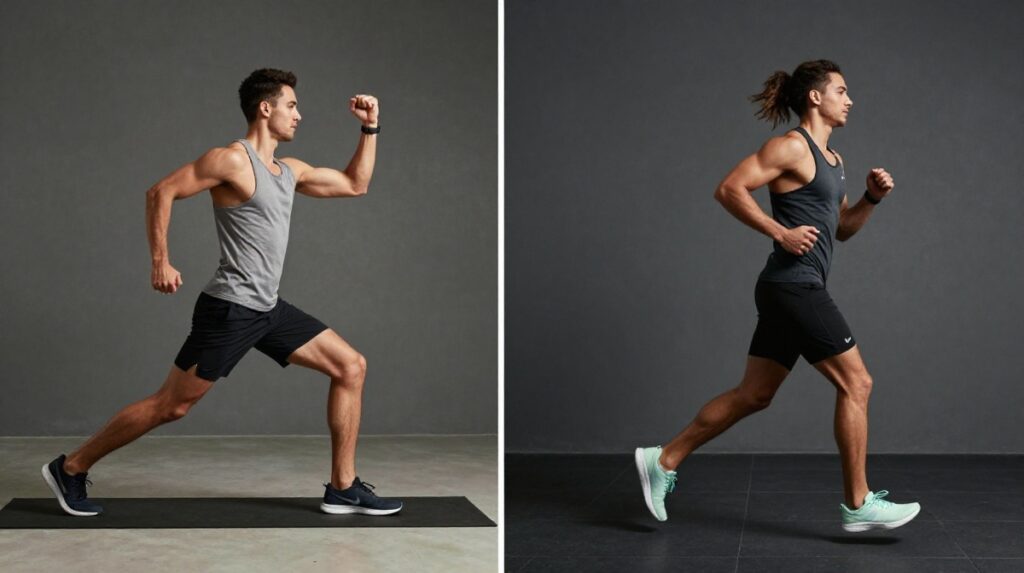
Steady-state cardio, like a 45-minute jog at a moderate pace, burns a predictable number of calories during the session. It is lower in intensity and generally easier to recover from. It is a very reasonable option and should not be dismissed.
HIIT burns a comparable or higher number of calories in a shorter time, generates a stronger EPOC effect, and offers more positive effects on insulin sensitivity and body composition. However, it is more demanding on the central nervous system and the muscles, meaning you need more recovery time between sessions.
The practical takeaway for beginners is that you do not have to choose one exclusively. Many people who are also doing any kind of resistance training will benefit from combining 2 to 3 sessions of HIIT per week with steady-state activity on other days. Our article on losing fat while building muscle at the same time covers how to structure your week to accomplish both goals.
This is one of the most common questions and one of the most commonly mishandled parts of starting HIIT.

For beginners, 2 sessions per week is a solid starting point. HIIT is demanding. Your cardiovascular system, your joints, and your muscles all need adequate recovery time to adapt. Starting with more sessions than your body can recover from leads to fatigue, reduced performance, and a higher risk of injury.
As your fitness level improves over 4 to 6 weeks, you can gradually add a third session. Most people doing HIIT for general fat loss and fitness do not need more than 3 sessions per week to see meaningful results.
Session length for beginners should be 15 to 25 minutes, including a proper warm-up and cool-down. The actual high-intensity intervals within that time might only add up to 6 to 10 minutes of total work. That is enough. More is not always better with HIIT.
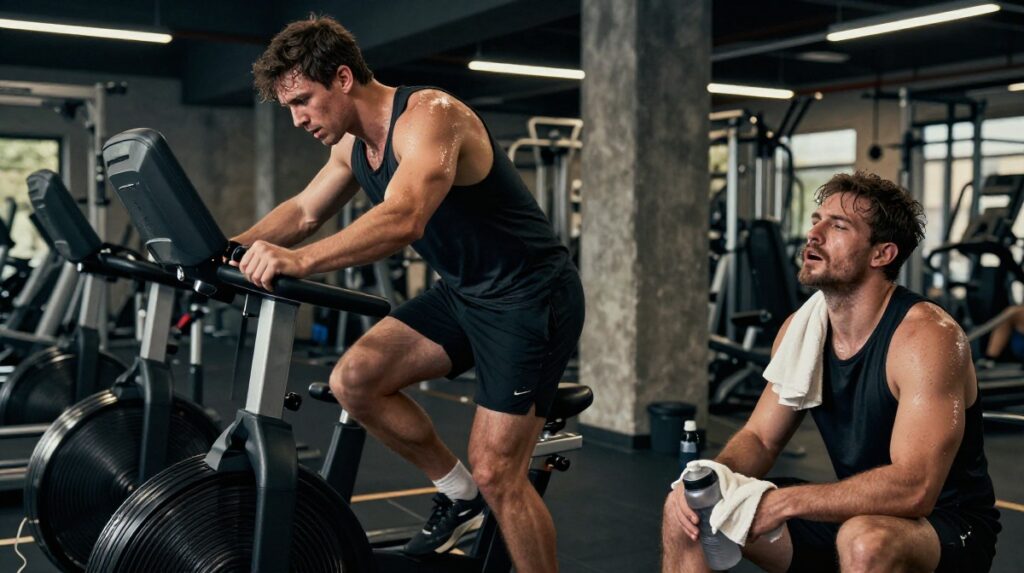
“HIIT melts fat directly during the workout.” During the intense intervals, your body burns mostly carbohydrates. Fat burning happens primarily in the recovery period and through the longer-term metabolic benefits of consistent training.
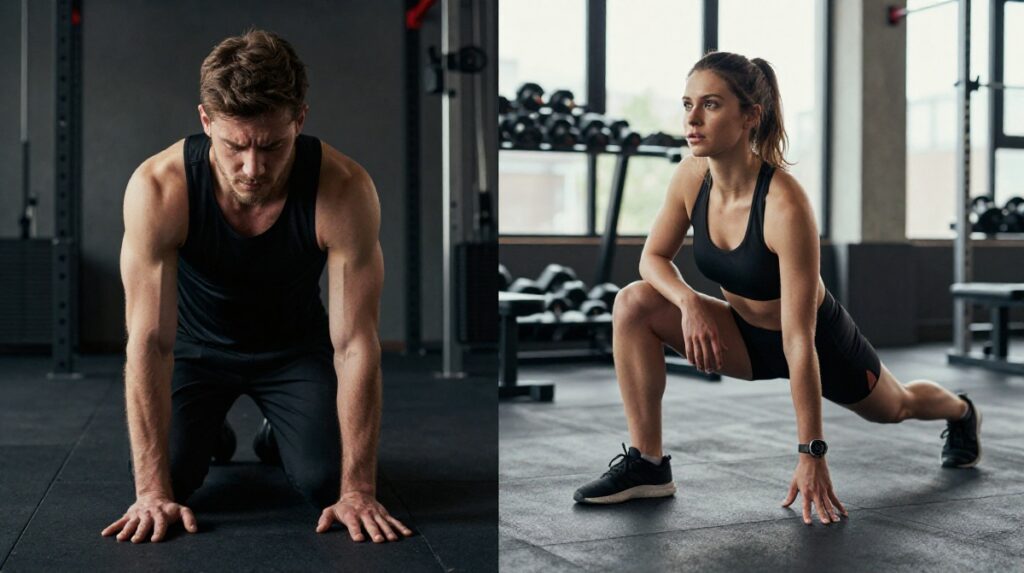
“More HIIT means faster fat loss.” Doing HIIT every day without adequate recovery will impair your results, not improve them. Recovery is when adaptation happens.

“You have to feel completely exhausted for HIIT to work.” A well-structured HIIT session should be challenging, but it should not leave you unable to function for the rest of the day. Sustainable intensity is more valuable than destroying yourself every session.

“HIIT works even if your diet is poor.” As discussed earlier, a calorie surplus will prevent fat loss regardless of how hard you train. Diet and training are partners, not competitors.
With 2 to 3 HIIT sessions per week, a reasonable calorie deficit, and adequate protein intake, most beginners can expect to lose between 0.5 and 1 pound of fat per week. This is a healthy, sustainable rate that preserves muscle while reducing body fat.
Within 4 to 6 weeks, most beginners notice improved cardiovascular fitness and lower resting heart rate. Visible body composition changes usually become apparent between 8 and 12 weeks of consistent effort.
The goal is not to transform in 2 weeks. The goal is to build a consistent training habit that produces compound results over months. HIIT is very well suited to that goal when applied patiently and intelligently.
Does HIIT burn belly fat specifically?
No exercise burns fat from one specific area. Fat loss happens throughout the body based on overall calorie deficit. HIIT supports total body fat reduction, which includes the abdominal area over time.
Can beginners do HIIT if they are not fit yet?
Yes, with modifications. Beginners can adjust the intensity and ratio of work to rest intervals to match their current fitness level. The goal is relative intensity, working hard for you, not matching what an advanced athlete does.
How long before HIIT produces fat loss results?
Most people see meaningful changes in 8 to 12 weeks with consistent training and proper nutrition. Early improvements in cardiovascular fitness appear within 4 to 6 weeks.
Is HIIT better than strength training for fat loss?
They serve different purposes. HIIT burns more calories per session and improves cardiovascular fitness. Strength training builds muscle that raises your resting metabolism. Combining both produces the best long-term body composition results.
Do I need equipment for HIIT?
No. HIIT can be done entirely with bodyweight using exercises like jump squats, burpees, mountain climbers, and high knees. No equipment is required to get an effective session.
HIIT burns fat by combining high calorie burn during the workout, an extended afterburn effect through EPOC, improved insulin sensitivity, and preservation of lean muscle mass. It does not work against the basic rules of fat loss. It works within them, and it makes achieving a calorie deficit significantly more efficient.
For beginners, the path forward is simple: start with 2 sessions per week, keep a reasonable calorie deficit, eat enough protein, recover properly between sessions, and give the process enough time to work.
Understanding the science behind how HIIT burns fat is not just interesting. It changes how you approach your training, your expectations, and your results.