A lifter who back squats 200 pounds without much hesitation might struggle to control a single-leg squat with no added weight at all. That gap between two-limb strength and one-limb control is common, and it is exactly what the unilateral versus bilateral conversation is about.
Both categories of exercise build real strength, but they build it differently, and a beginner who understands the difference can use each one for what it is actually good at instead of guessing.
What Unilateral and Bilateral Actually Mean
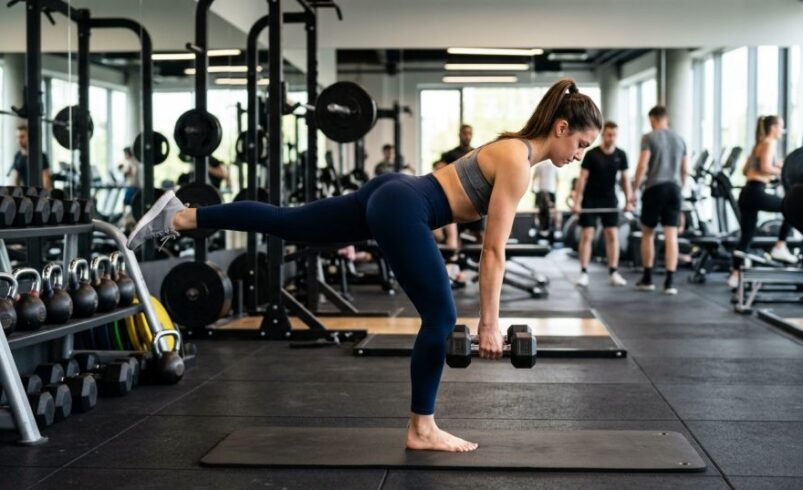
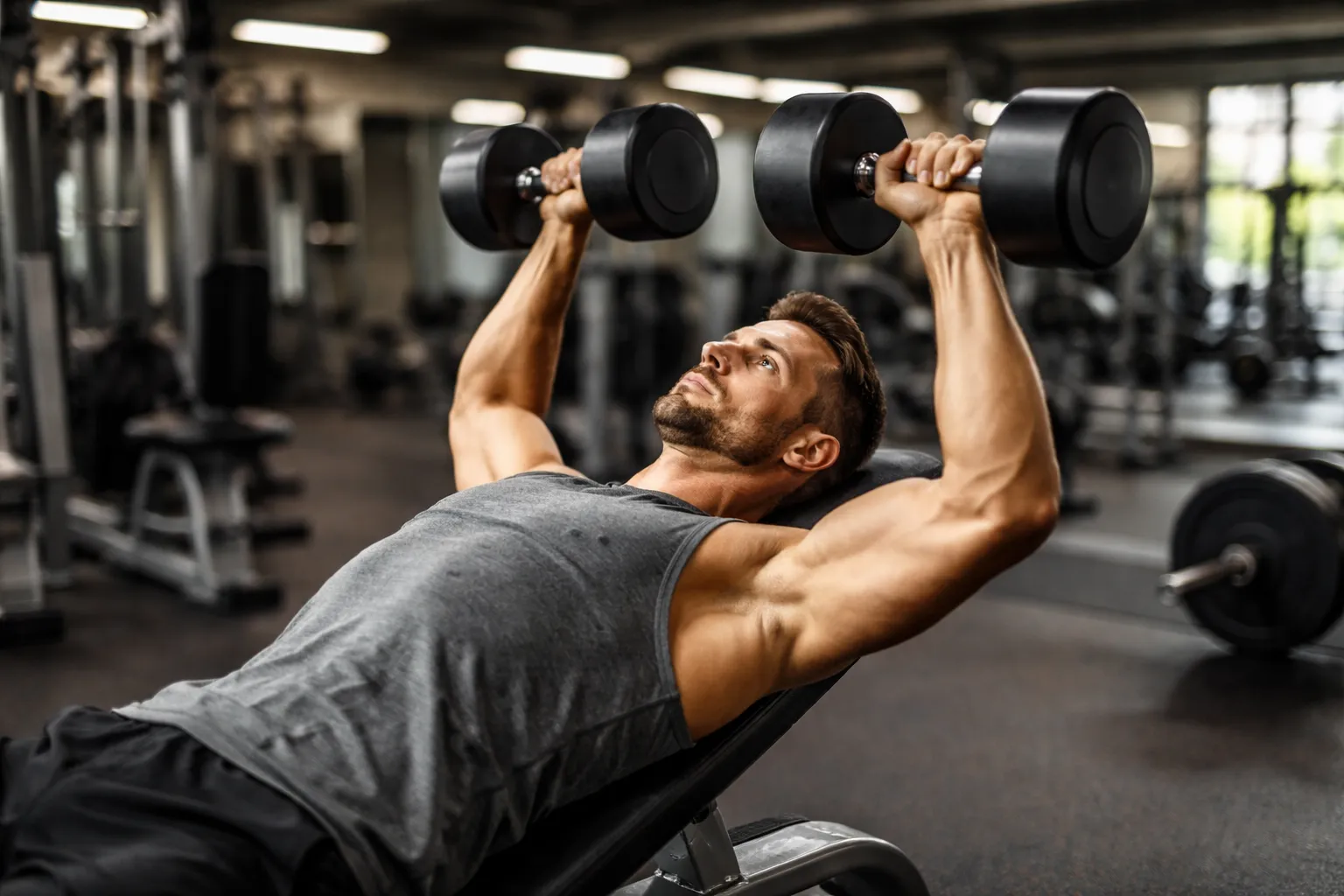
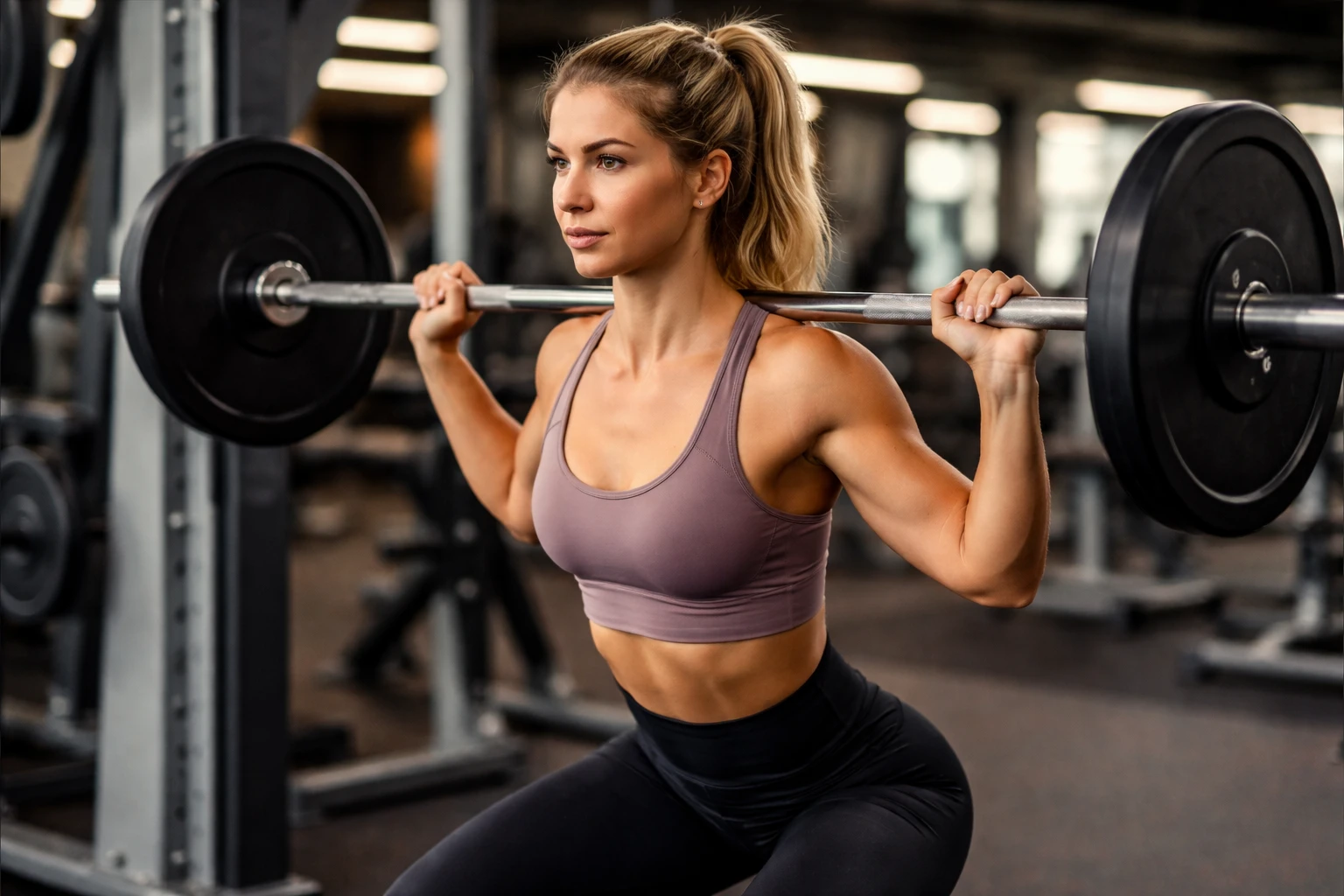
Bilateral exercises use both limbs at the same time to move a single load, such as a barbell back squat, a deadlift, a leg press, or a flat bench press. Unilateral exercises isolate one limb at a time, such as a Bulgarian split squat, a step-up, a single-leg Romanian deadlift, a single-arm row, or a walking lunge. The distinction sounds simple, but the two categories place different demands on the body, and beginners who only ever train bilaterally are missing a category of adaptation that bilateral work does not fully replace.
Why Bilateral Exercises Build a Strength Foundation
Because both limbs share the load, bilateral exercises let a lifter move significantly more total weight than the equivalent unilateral version. That higher load creates a strong stimulus for building maximal strength, and it is one reason compound bilateral lifts remain the backbone of most beginner strength programs. If you are still deciding which movements deserve the bulk of your early training time,comparing compound and isolation exercises covers the related question of which movement patterns to prioritize first, and bilateral compound lifts sit at the center of that list.
What Unilateral Training Adds That Bilateral Work Does Not
Training one limb at a time exposes strength differences between your left and right side that a bilateral lift can hide. When both legs work together on a barbell squat, a stronger leg can compensate for a weaker one without either lifter noticing, because the bar only measures combined output. A single-leg exercise forces each side to work independently, which is often the first time a beginner discovers that one leg is noticeably weaker or less stable than the other.
Unilateral work also demands more from the stabilizing muscles around the hip, ankle, and core, since a single base of support has to control the entire body without a second limb to share the balance demand. This is part of why unilateral exercises tend to feel harder to control even at lighter loads, and why they are commonly used to build the coordination and joint stability that carries over into everyday movement and sport.
What the Research Actually Shows About Correcting Imbalances
It is tempting to assume that adding unilateral exercises will automatically fix any left-right strength difference, but the evidence for that claim is mixed. A 2023 study published in the International Journal of Sports Physiology and Performance compared six weeks of unilateral squat training against bilateral squat training in recreationally trained men, and found that both approaches produced meaningful strength gains, while bilateral training showed a slight edge at reducing measured strength asymmetry between limbs in lifters who started with a noticeable imbalance.
That finding runs against the common assumption that unilateral training is always the better tool for fixing imbalances. The more accurate takeaway is that both approaches build strength effectively, and the presence of a real imbalance, rather than the exercise category alone, should guide how much unilateral work a given lifter needs. The NSCA has also summarized research showing that strength developed unilaterally does not automatically transfer at a one-to-one rate to bilateral lifts, and the reverse is true as well, which is one more reason a well-rounded program includes both categories rather than treating one as a replacement for the other.
Balance, Coordination, and Everyday Carryover
Most real-world movement, from climbing stairs to catching your balance on uneven ground, happens on one leg at a time rather than with both feet planted together. Unilateral training exposes the same balance and coordination demands in a controlled setting, which is part of why it shows up so often in rehabilitation and injury-prevention programs. Building comfort with single-limb control while you are simply exercising, rather than the first time your foot slips on ice, is one of the quieter benefits unilateral work offers beyond the muscle it builds.
When Beginners Should Lean on Unilateral Exercises
- You have noticed one side feels distinctly weaker, less stable, or more fatigued than the other during bilateral lifts
- Your sport or daily activity involves single-leg movement, such as running, stairs, or lateral changes of direction
- You want to build ankle, knee, and hip stability before increasing load on bilateral lifts
- You are working around an injury on one side and need to keep training the uninvolved limb
- You want variety in a program without adding significant load or fatigue, since unilateral exercises typically use lighter absolute weight
When Bilateral Exercises Should Stay the Priority
- Your primary goal is building maximal strength or moving the most weight possible
- You are new to resistance training and still learning fundamental movement patterns like the squat and hinge
- Session time is limited and you need efficient exercises that train large amounts of muscle at once
- You want a straightforward way to apply progressive overload to a single, trackable number
How to Combine Both in a Beginner Program
A simple beginner-friendly approach uses a bilateral exercise as the main strength movement of a session and a unilateral exercise as accessory work later in the workout, when moving slightly less total weight is less of a limitation. A lower-body day, for example, might start with a bilateral squat or leg press as the primary lift, then move to Bulgarian split squats or step-ups for two to three sets afterward. This order lets you handle the heaviest loads while you are freshest, then use the unilateral work to address stability and any side-to-side differences once the main strength work is done.
Rotating in a unilateral variation for the accessory portion of a session once or twice per week is generally enough for a beginner. There is no need to replace every bilateral lift with a unilateral equivalent, and doing so can leave a beginner unable to load a program heavily enough to build meaningful strength in the early months of training.
Common Mistakes Beginners Make With Unilateral Exercises
- Skipping unilateral work entirely because it feels awkward or unstable at first, rather than practicing it at a lighter load until control improves
- Assuming any visible left-right difference is a serious imbalance that requires correction, when a small amount of asymmetry is normal and common in healthy lifters
- Rushing to add weight to a single-leg exercise before balance and control are established, which increases the risk of a rolled ankle or a missed step
- Comparing unilateral loads directly to half of a bilateral number, when the two are not mechanically equivalent because of the added stability demand
A Few Unilateral and Bilateral Pairings Worth Knowing
Seeing how the two categories line up side by side makes the distinction easier to apply. A back squat and a Bulgarian split squat train similar muscle groups through a similar range of motion, but the split squat demands far more from the hip stabilizers and the ankle of the working leg. A barbell row and a single-arm dumbbell row both build the muscles of the upper back, though the single-arm version also challenges the core to resist rotation, since one side of the torso is being pulled while the other stays still. A conventional deadlift and a single-leg Romanian deadlift both train the hamstrings and glutes through hip hinging, but the single-leg version adds a significant balance component that the conventional version does not require at all.
None of these pairings are a strict upgrade or downgrade of the other. They simply ask the body different questions, and a program that only ever asks the bilateral question is leaving the balance and stability side of fitness undertrained.
Progressing Unilateral Exercises Safely
Beginners should treat balance and control as the first thing to master, before chasing extra weight. A bodyweight Bulgarian split squat, held briefly at the top of each rep to test stability, is a reasonable starting point rather than immediately grabbing dumbbells. Adding light dumbbells only once the movement feels controlled through a full range of motion keeps the injury risk low while still building strength. Tracking how many sets and reps to do for these accessory movements the same way you would for a bilateral lift, using a rep target you can hit with good control across all sets, keeps unilateral training measurable rather than something you eyeball.
The Bigger Picture
Unilateral and bilateral training are not competing philosophies that require picking a side. They are two tools that ask different things of the body, and a beginner program benefits from both. Bilateral lifts remain the most efficient way to build a strength foundation early on, while unilateral work fills in the balance, stability, and side-to-side evenness that heavier bilateral lifts do not fully address on their own. Treating the two as complementary, rather than competing, is the approach that holds up best as training experience grows.