How Many Calories Do You Burn During Strength Training? (What Most Beginners Assume Is Wrong)
August 4, 2026
0
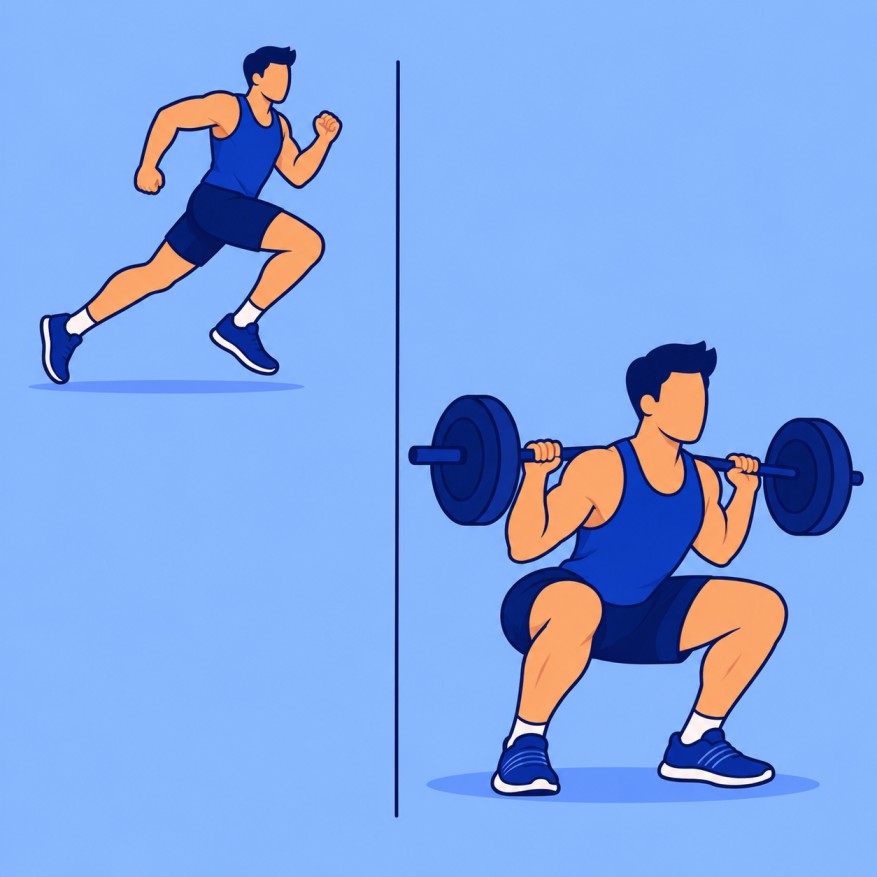
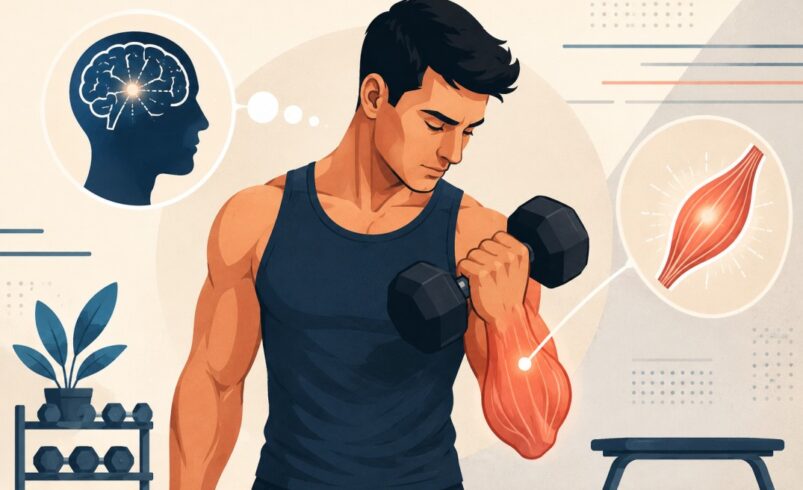
Strength training gets filed under muscle building. Cardio gets filed under calorie burning. That split falls apart fast once you look at what a lifting session actually costs
Strength training gets filed under muscle building. Cardio gets filed under calorie burning. That split falls apart fast once you look at what a lifting session actually costs the body.
A 30 minute strength session can burn close to the same number of calories as 30 minutes of jogging, and that number keeps climbing for up to two days afterward. That second part rarely gets mentioned, which is exactly why the misconception sticks around.
Where the myth comes from
The confusion makes sense on some level. Cardio gives constant feedback. Your heart rate climbs, you sweat, you feel out of breath. Strength training is stop and start. You push hard for thirty seconds, then rest for a minute or two checking your phone. It feels like less is happening, so people assume fewer calories get burned.
But calorie burn isn’t measured by how out of breath you feel. It’s measured by how much energy your muscles convert during the work and afterward. And resistance training turns out to be a lot more demanding than it looks from the outside.
How your body burns calories while lifting
During a set, your muscles pull energy from two systems at once. There’s an anaerobic pathway that powers the short explosive effort of each rep, and an aerobic pathway that kicks in while you rest between sets. Research comparing lifting at different intensities found that total energy expenditure rises with heavier loads, while the energy cost per minute is actually higher in lighter, higher rep sessions, because you’re moving almost continuously instead of resting between heavy singles.
Put simply, how you structure a session changes where the calorie burn comes from, but it doesn’t erase it. A slow heavy strength day and a fast moderate weight circuit both cost real energy, just through different routes.
Why muscle mass changes the math
This is the part cardio alone can’t touch. Muscle tissue is metabolically active. It costs your body energy just to maintain it, even while you’re doing nothing at all. So every pound of muscle you build through consistent progressive overload adds a small, permanent bump to how many calories you burn at rest.
That’s a different kind of calorie burn than a cardio session gives you. Running burns more during the thirty minutes you’re doing it, then stops the second you’re done. Muscle keeps working in the background, all day, every day.
Intensity is the real lever
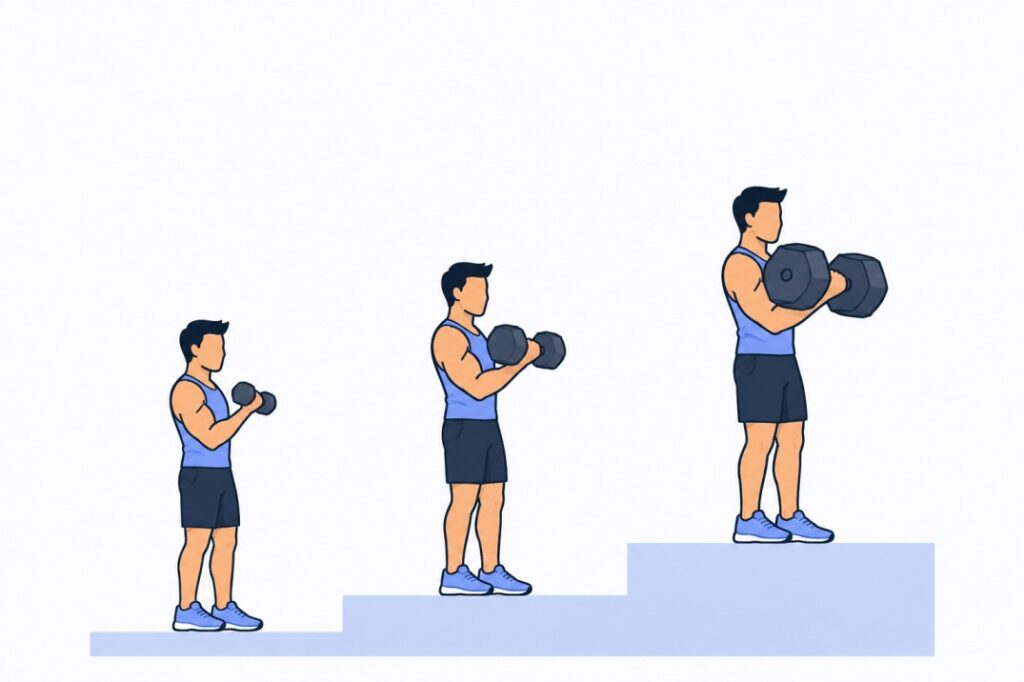
Not all strength training burns the same amount. Heavier loads closer to your max, bigger muscle groups like squats and deadlifts instead of curls, and shorter rest periods all push total energy cost higher. One study looked at resistance training performed at 60, 75, and 90 percent of one rep max and found that total session energy expenditure climbed as the load increased, even though the per minute burn told a slightly different story depending on how the sets were structured.
The takeaway for a beginner isn’t lift heavier no matter what. It’s that intensity, not just movement and not just sweat, is what actually drives the calorie number up or down.
Training Style
Typical Session
Estimated Calorie Range
Light effort, technique focused
30 min
90 to 150 kcal
Moderate effort, standard hypertrophy
30 min
150 to 250 kcal
Heavy strength, low reps
45 to 60 min
250 to 450 kcal
Circuit style resistance training
30 to 40 min
300 to 400 kcal
These numbers vary a lot by body weight, effort, and rest periods. Treat them as rough starting points, not guarantees.
The afterburn effect most beginners have never heard of
Your body keeps burning extra calories for hours, sometimes days, after a strength session ends. It’s called excess post exercise oxygen consumption, or EPOC, and it happens because your muscles need energy to repair, restock glycogen, and get your system back to baseline.
The research on this is genuinely interesting. One controlled study found EPOC stayed elevated for up to 48 hours following resistance training, in both trained and untrained lifters. When researchers at the American Council on Exercise reviewed the wider literature, they found resistance exercise tends to produce a bigger afterburn effect than steady state cardio done at a similar effort level. Heavy resistance work in particular outperformed both circuit training and cycling in head to head comparisons.
That doesn’t mean EPOC alone will transform your body. The extra calories from afterburn are real but modest on any single day. What matters is that it stacks, session after session, week after week, in a way steady cardio’s afterburn usually doesn’t match.
Strength training vs cardio, which one actually wins
Neither one wins outright. They’re good at different things. Cardio, especially something like HIIT, tends to burn more calories per minute while you’re doing it. Strength training burns comparably well over a full session once you factor in EPOC, and it’s the only one of the two that builds the muscle responsible for a higher resting burn.
If your only goal is burning the most calories in the shortest single workout, cardio usually wins that specific contest. If your goal is losing fat and keeping it off for years, strength training is doing something cardio structurally can’t do on its own.
How this fits into a calorie deficit
None of this replaces the basic math of weight loss. You still need to burn more than you take in. That’s the calorie deficit piece, and strength training doesn’t get you out of it. What it changes is how you get there. Instead of relying purely on restriction or endless cardio to create that deficit, lifting lets you build metabolically active tissue that raises your baseline burn, so the deficit becomes easier to sustain instead of something you’re gritting your teeth through.
Why beginners underestimate the long term payoff
Most people judge strength training against the wrong scoreboard, calories burned in one hour compared directly to a run. On that single measure, lifting sometimes loses. But nobody loses fat from one workout. They lose it over months, and over months the muscle you’re building compounds in a way a single cardio session never will.
The beginners who stick with strength training long enough to notice this usually stop asking which one burns more calories. They’ve found something that keeps paying them back even on rest days. That’s the part worth remembering the next time you’re deciding between the weight rack and the treadmill.
Abboud et al., Effects of load-volume on EPOC after acute bouts of resistance training in resistance-trained men, Journal of Strength and Conditioning Research: https://pubmed.ncbi.nlm.nih.gov/23085971/